

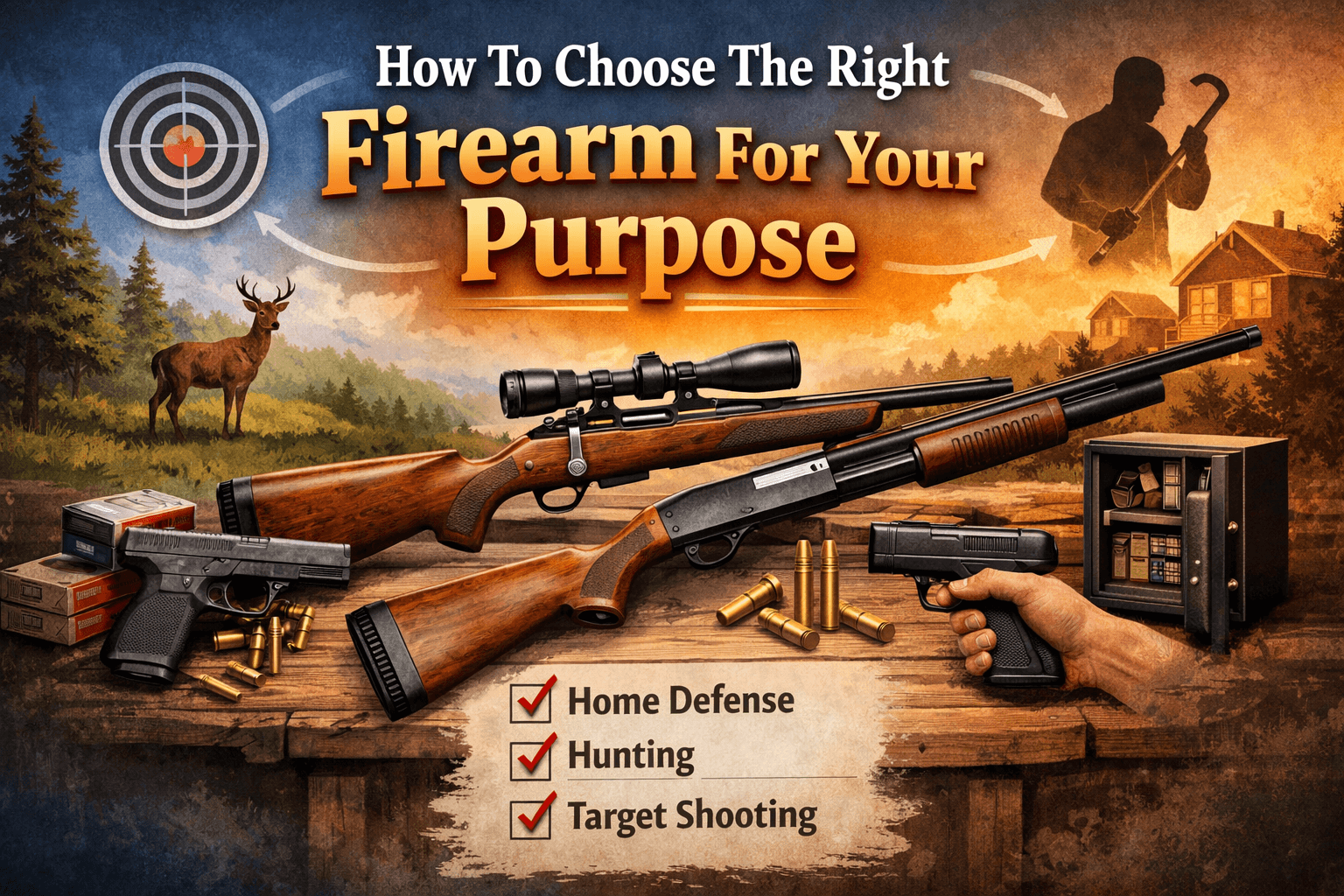
Buying a first firearm can feel straightforward until the options pile up. Handgun, rifle, shotgun, different actions, different calibres, different price points. The smartest choice starts with a clear purpose and finishes with a firearm that fits your body, your budget, and your level of use.
Good shops see the same pattern every week. People arrive set on a model, then realise it does not suit their grip, recoil tolerance, storage space, or ammo spend. A better plan puts the use case first, then narrows choices with a few practical checks.
Purpose shapes every decision that follows. A firearm for range time needs different traits from one meant for hunting or farm carry. Local rules can shape storage, transport, and permitted use, so a quick check of your state or territory guidance saves time later.
Here are the key factors that set the direction for the purchase.
Write one sentence that describes the main job. Keep it narrow, then add a second job only if it happens often.
Common starting points include
Range and sport shooting
Hunting in typical local terrain
Property and pest management
Home protection planning
Limits remove noise from the search. Decide what matters most in daily ownership, not only on purchase day.
A short list can include
Maximum budget for the firearm
Expected monthly ammo spend
Storage space at home
Comfort with recoil and noise
Time available for training
Training sits beside product choice. A course builds safe habits, then range time builds confidence. KT Back Road Arms can point new owners toward suitable local instruction and range etiquette.
Firearm type drives handling, recoil feel, ammunition cost, and safe storage needs. The right category supports your main use case with fewer compromises.
These are the main options that suit most new owners.
Handguns suit frequent range visits and controlled handling drills. Grip size, trigger reach, and sight picture matter more than a spec sheet.
A visit to the counter should include a safe hold check. Your hand should seat high on the backstrap, with the trigger finger reaching naturally.
Rifles suit hunting, pest control, and target work where accuracy matters across distance. Stock fit and sighting system choices change the experience more than many people expect.
Weight plays a role too. A light rifle carries well, yet a heavier option can feel steadier on the bench.
Shotguns suit clay shooting, some hunting styles, and certain property tasks. Fit becomes the deal-maker. Length of pull, comb height, and balance affect comfort and accuracy.
A safe shoulder mount test in-store can reveal a poor match fast.
| Type | Typical Uses | Strengths | Points To Watch |
|---|---|---|---|
| Handgun | Range work, some protection roles | Compact, simple to store | Sight radius, recoil feel |
| Rifle | Hunting, precision target | Accuracy, wide calibre range | Storage length, optics budget |
| Shotgun | Clays, bird hunting, property use | Flexible loads, strong utility | Fit, recoil management |
Action choice affects ease of use, felt recoil, speed of follow-up shots, and cleaning effort. Reliability comes from sound design plus correct handling.
The following are the action types most new owners see first.
Bolt actions suit many hunting rifles and target rifles. The manual cycling encourages deliberate shooting and clear status checks. Cleaning stays straightforward.
Lever actions offer a fast manual cycle with a classic feel. They suit certain hunting roles and range fun. Ammunition selection can be narrower depending on the model.
Semi-automatics cycle after each shot, then load the next round from a magazine. Many sport shooters like the rhythm. Maintenance discipline matters, since carbon and fouling build with use.
Break actions are common in shotguns and some rifles. The open action gives an obvious visual check. Capacity stays lower than many repeating designs.
Calibre decisions shape recoil, noise, accuracy potential, and ongoing spend. New owners often focus on power, then regret the cost per box or the comfort level at the range.
Here are the key factors that influence calibre selection.
A calibre that you can buy easily leads to more practice. More practice leads to better handling and better decision-making. Price swings happen, so ask the shop what stays on shelves most often.
A realistic plan includes
Cost per round for training
Hunting load availability
Storage needs for bulk buys
Recoil tolerance varies by person, body size, and experience. A calibre that feels fine for five rounds can feel rough at 50. Try a range hire option if possible.
Comfort supports repeat practice. That practice builds skill faster than chasing the biggest cartridge.
Purpose decides calibre, not trends. A target shooter might value consistency and mild recoil. A hunter might prioritise ethical performance for local game.
Staff can help narrow choices based on legal game rules and typical distances in your area.
Fit matters more than brand names. Poor fit turns good hardware into a frustrating experience. A good match feels stable, points naturally, and supports safe control.
These are the main checks that reveal fit quality fast.
Trigger reach should feel natural with a firm grip. Your finger pad should press straight back, not sideways. Controls should be reachable without shifting the whole hand.
A simple counter check can cover
Natural point of aim
Magazine release reach
Slide or cylinder operation comfort
Stock length, comb height, and overall balance affect sight alignment. Eye position should line up with sights without forcing your neck.
A shoulder mount check should confirm
Cheek weld comfort
Sight picture alignment
Recoil pad placement
Weight feels different after an hour in the field. Balance matters on clays and on moving targets. Hold the firearm in a safe posture for a minute. Fatigue shows up quickly.
Purchase price is only one part. Ongoing ownership includes safe storage, cleaning gear, training, and range time. A clear total cost view reduces buyer’s remorse.
These are the main components that shape the full cost.
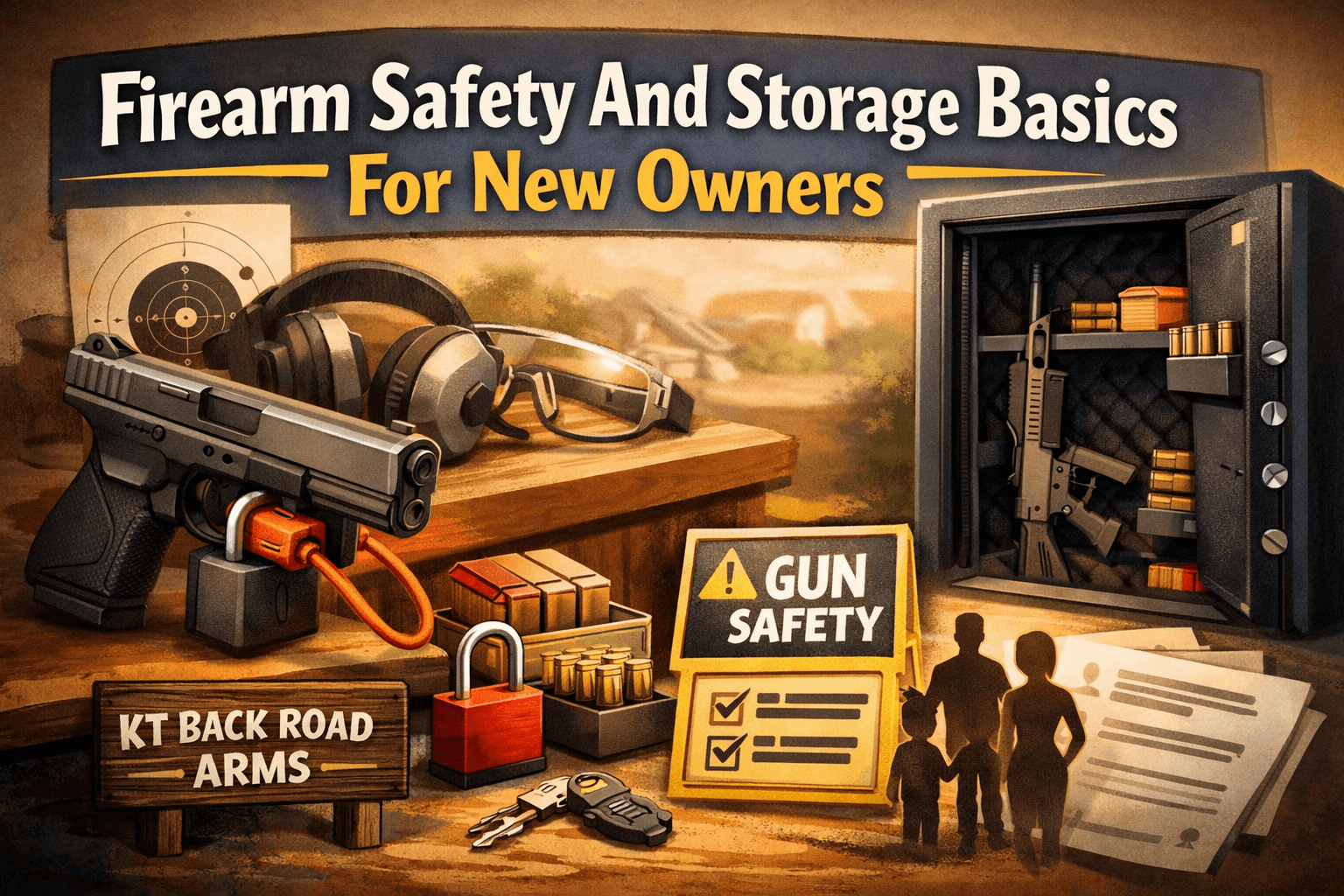
Safe storage protects your household and meets legal obligations. A lockable safe or cabinet often sits near the top of the list. A quality case supports secure transport.
Iron sights may suit range work. Hunting rifles often need optics, rings, and mounting support. Budget for the full setup, not only the scope.
A basic kit can include a cleaning rod or bore snake, solvent, lubricant, patches, and a safe mat. Regular care protects reliability and resale value.
Training costs money and time, then pays back through safer handling and better accuracy. Build a monthly range plan that suits your schedule.
Walking into a store with a plan changes the outcome. You avoid impulse choices and focus on the match between purpose, fit, and total cost.
Here are the questions and checks that guide a strong decision.
Which models suit my stated use case in this price range
What calibre stays available locally most weeks
What storage options suit my home layout
What training routes do you recommend for new owners
What accessories do I need on day one
Confirm legal requirements for your area
Set a full budget including storage and ammo
Handle several models for fit and balance
Plan transport and safe storage before the purchase
Book training or a refresher course
A good firearm choice feels calm, not rushed. Purpose gives the direction, fit confirms the match, and a realistic budget keeps ownership enjoyable. When you walk into KT Back Road Arms with those pieces ready, the decision becomes far easier and far more satisfying.