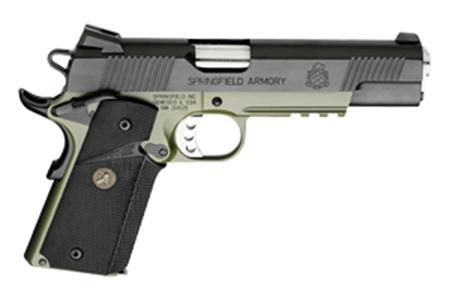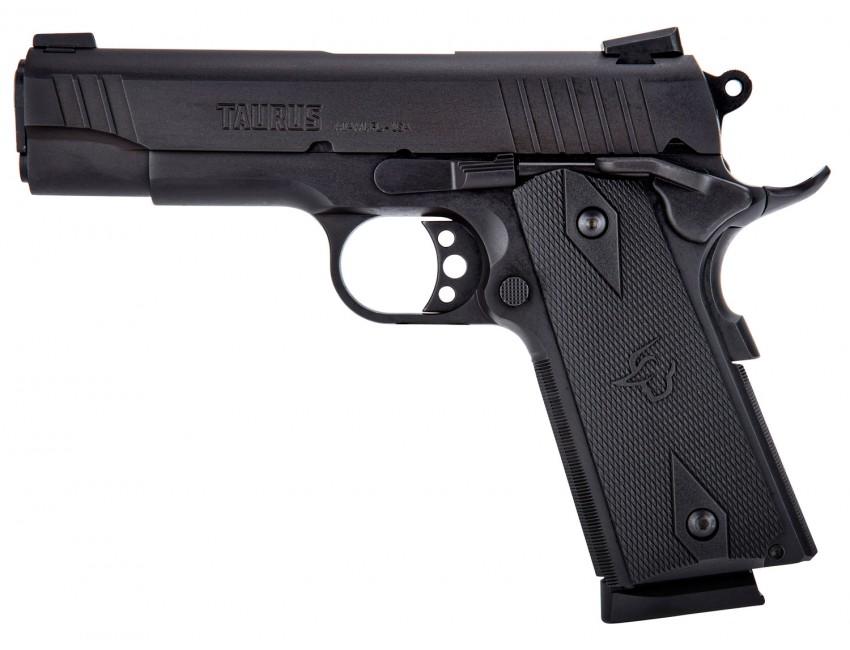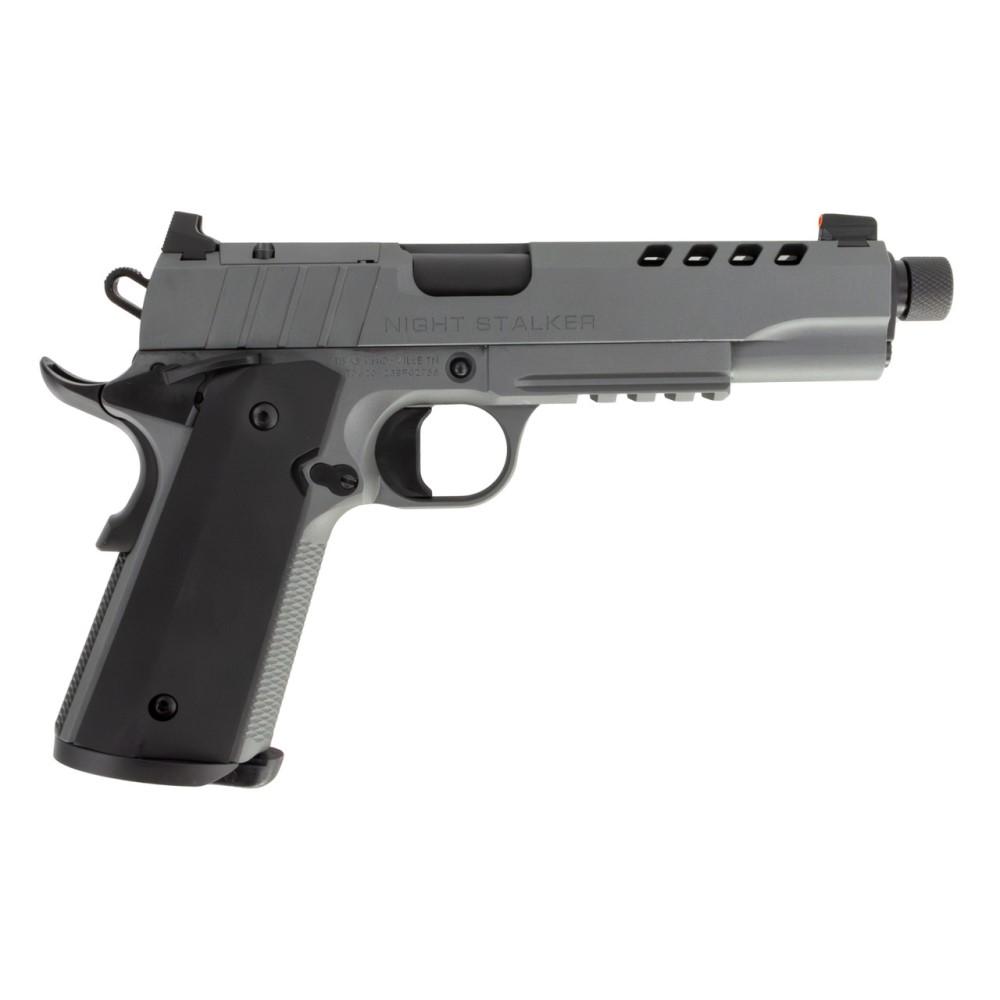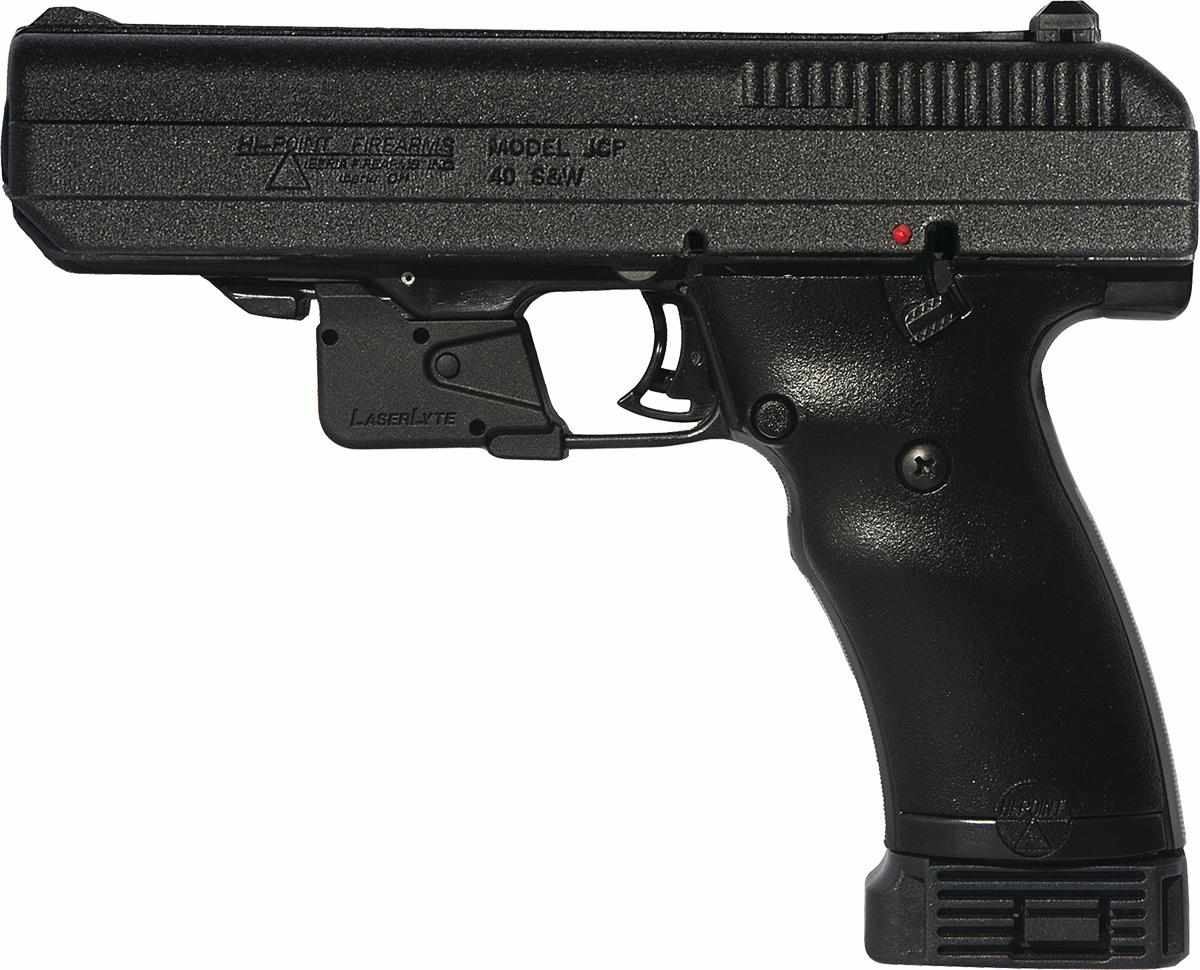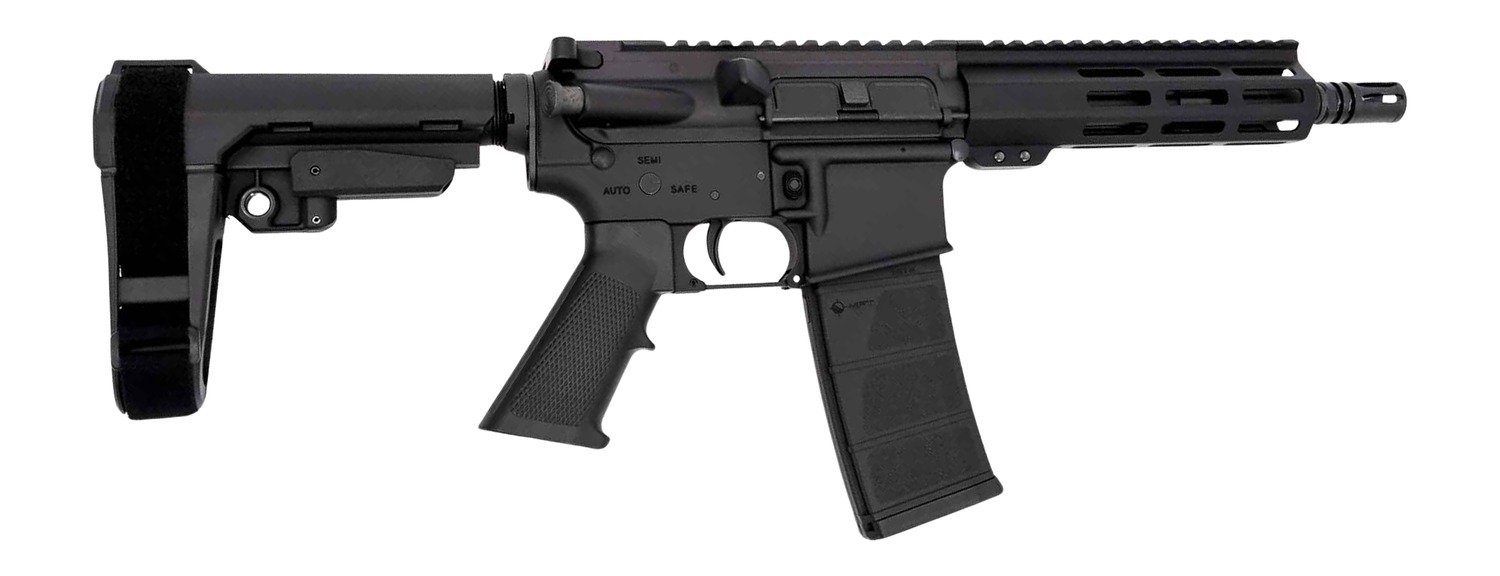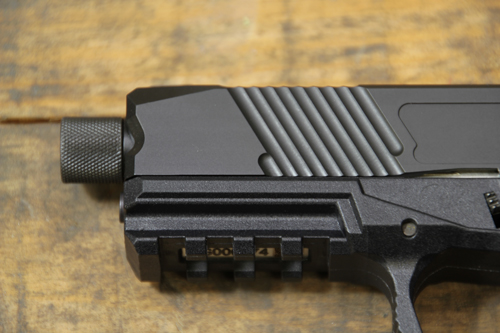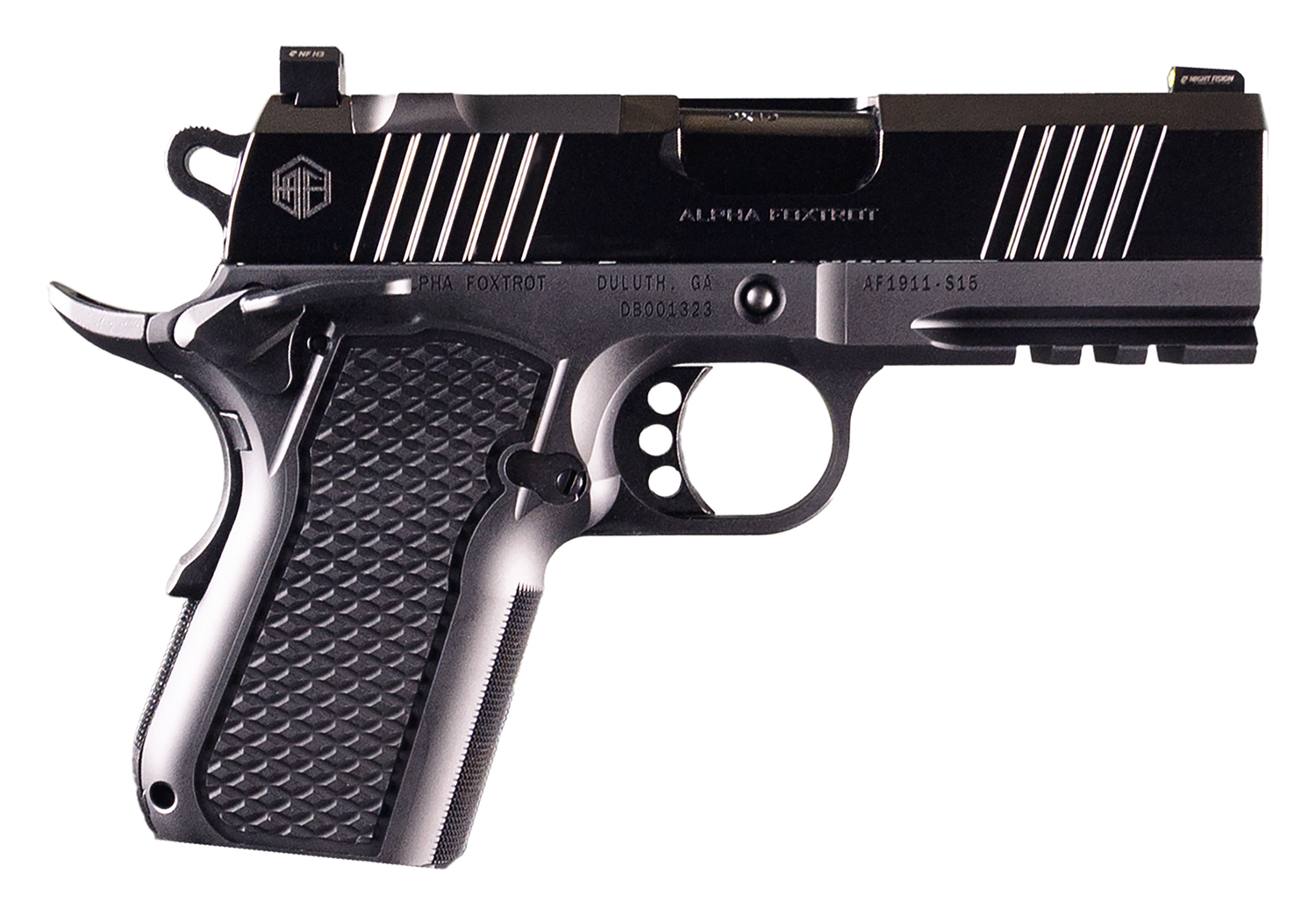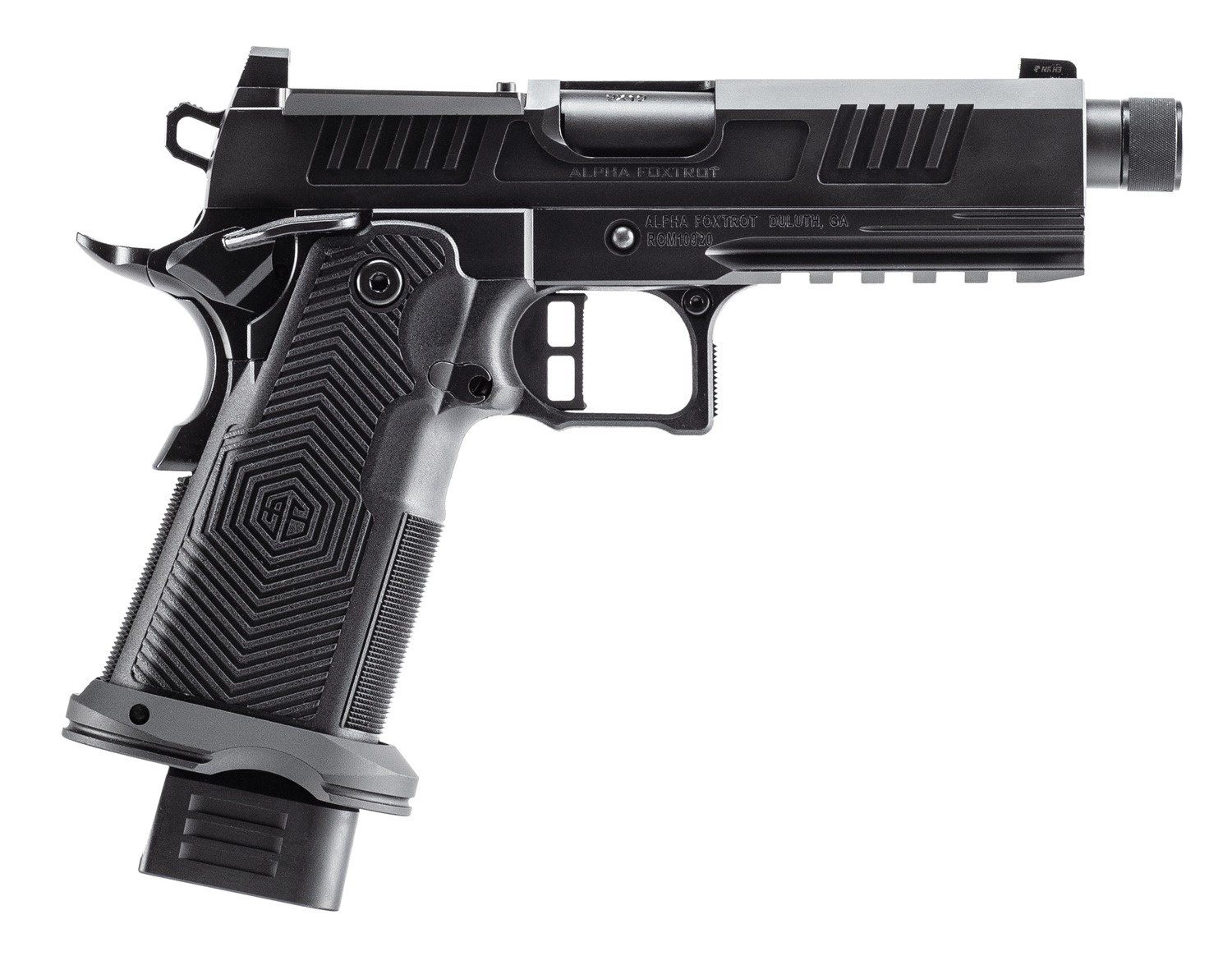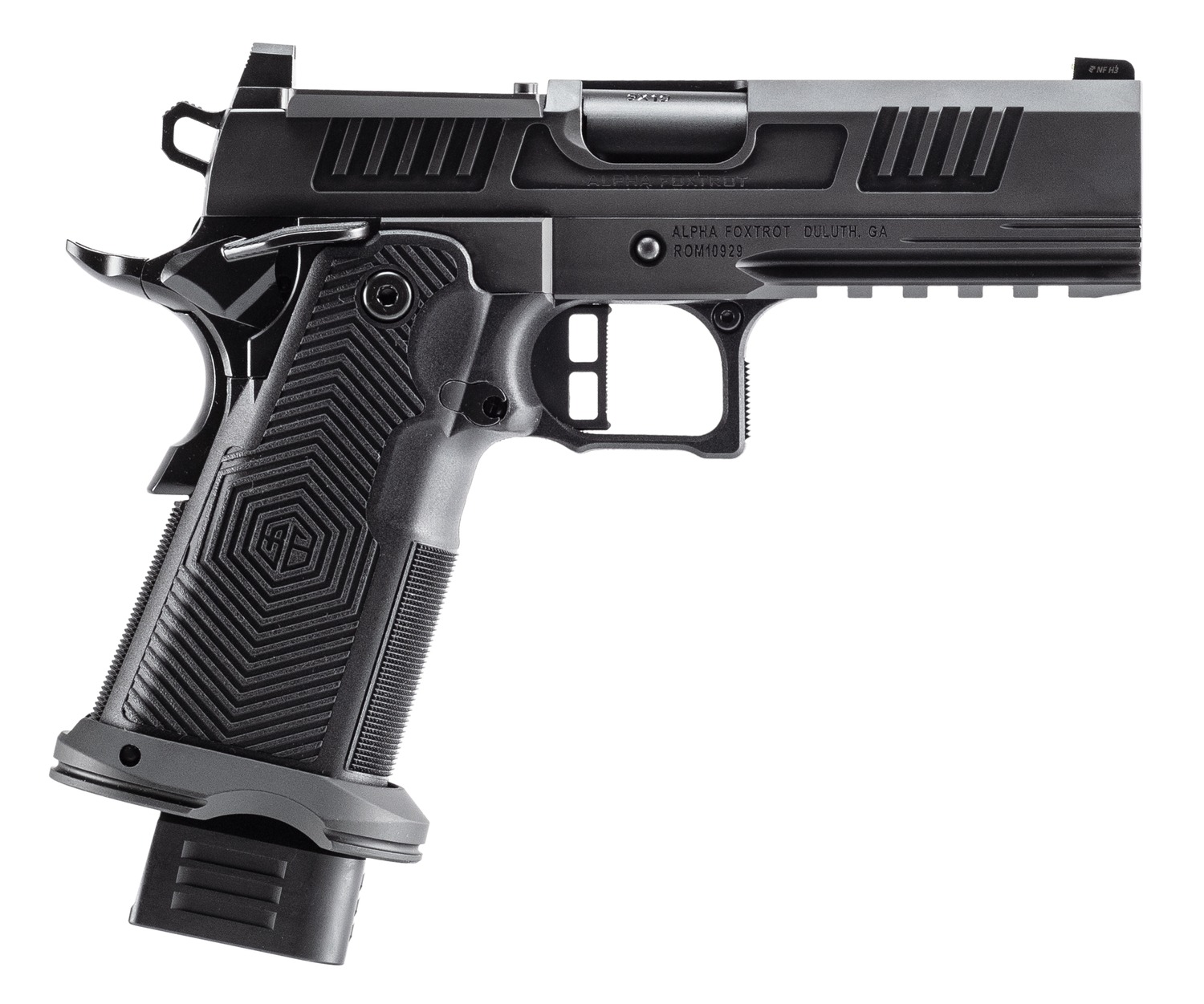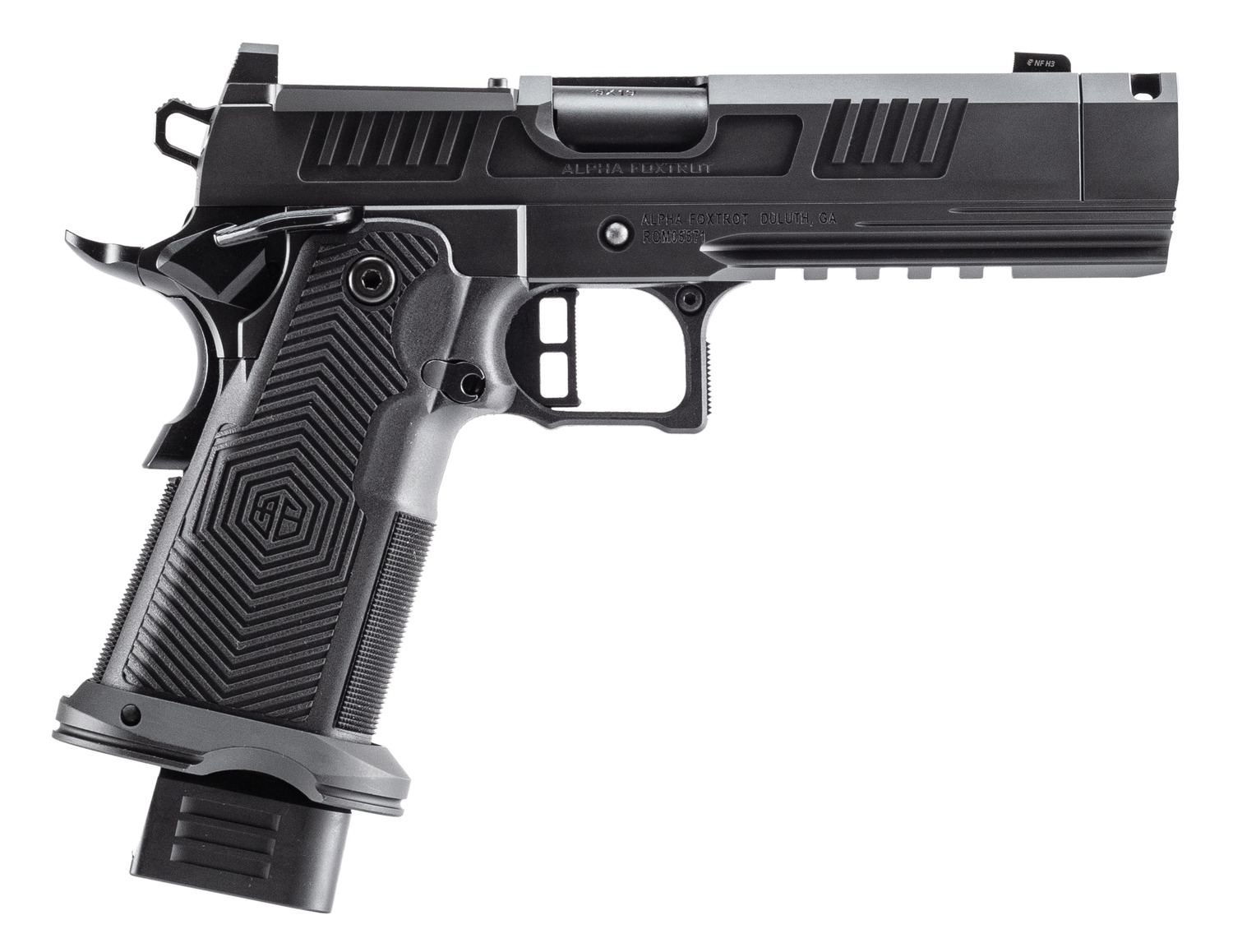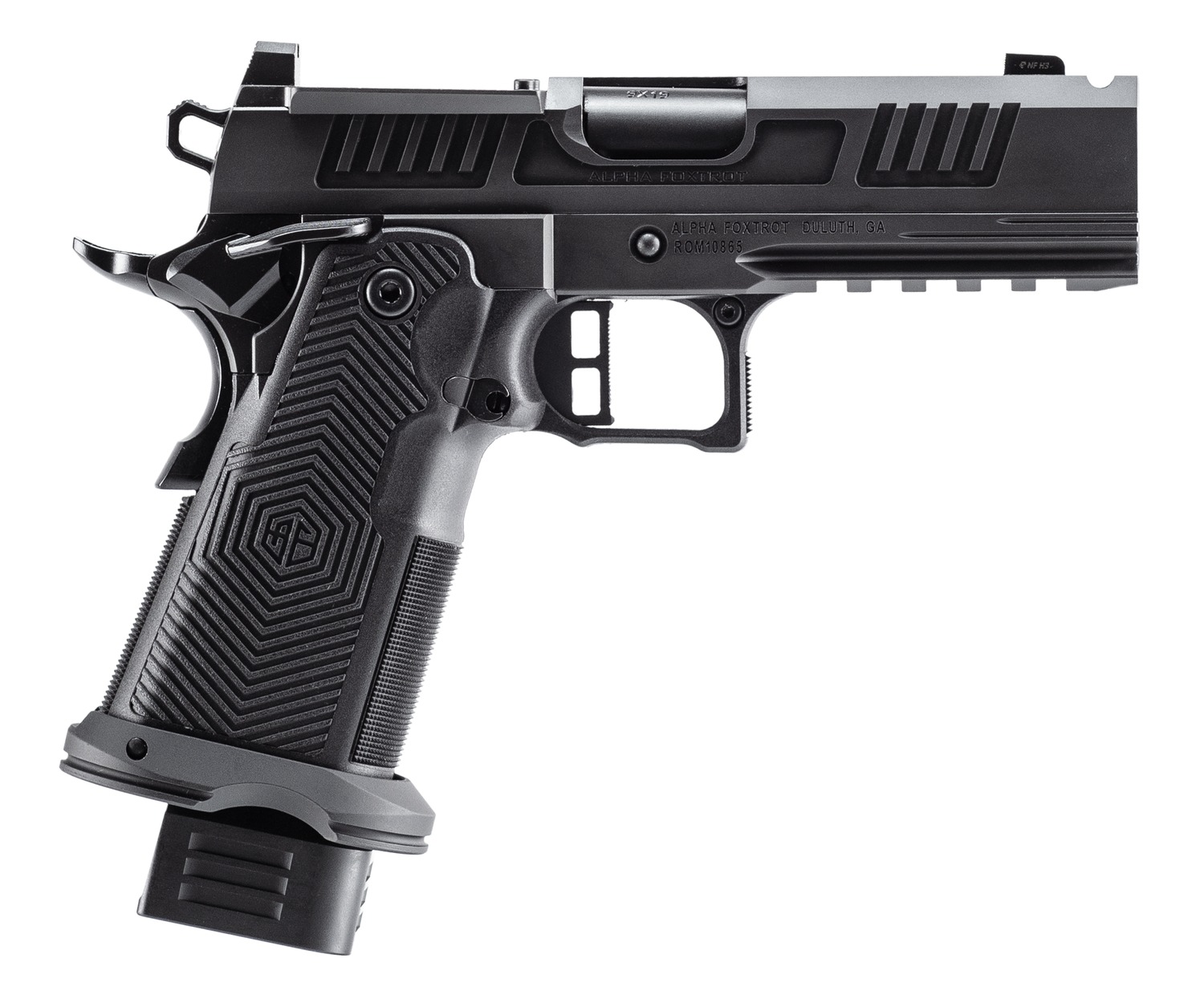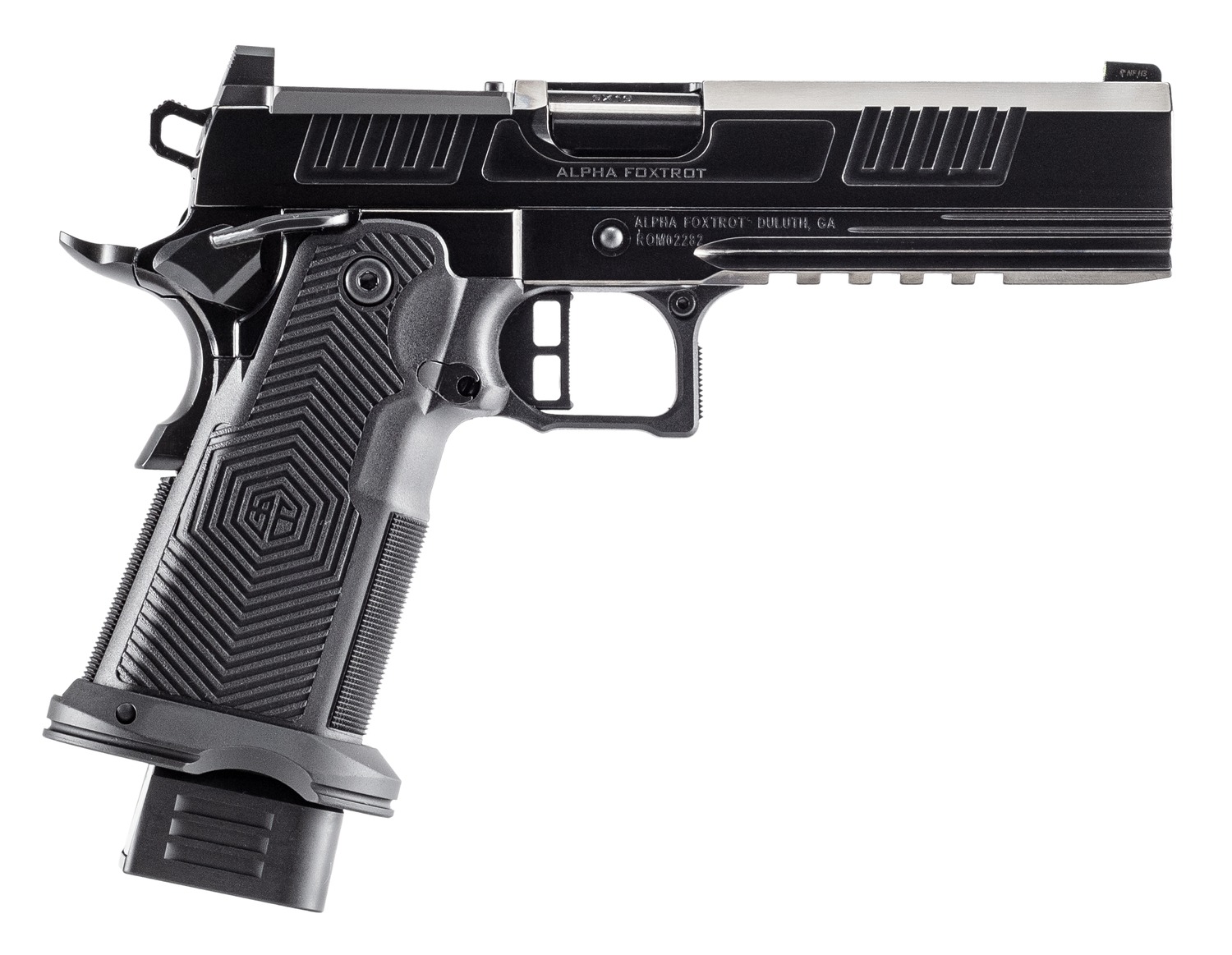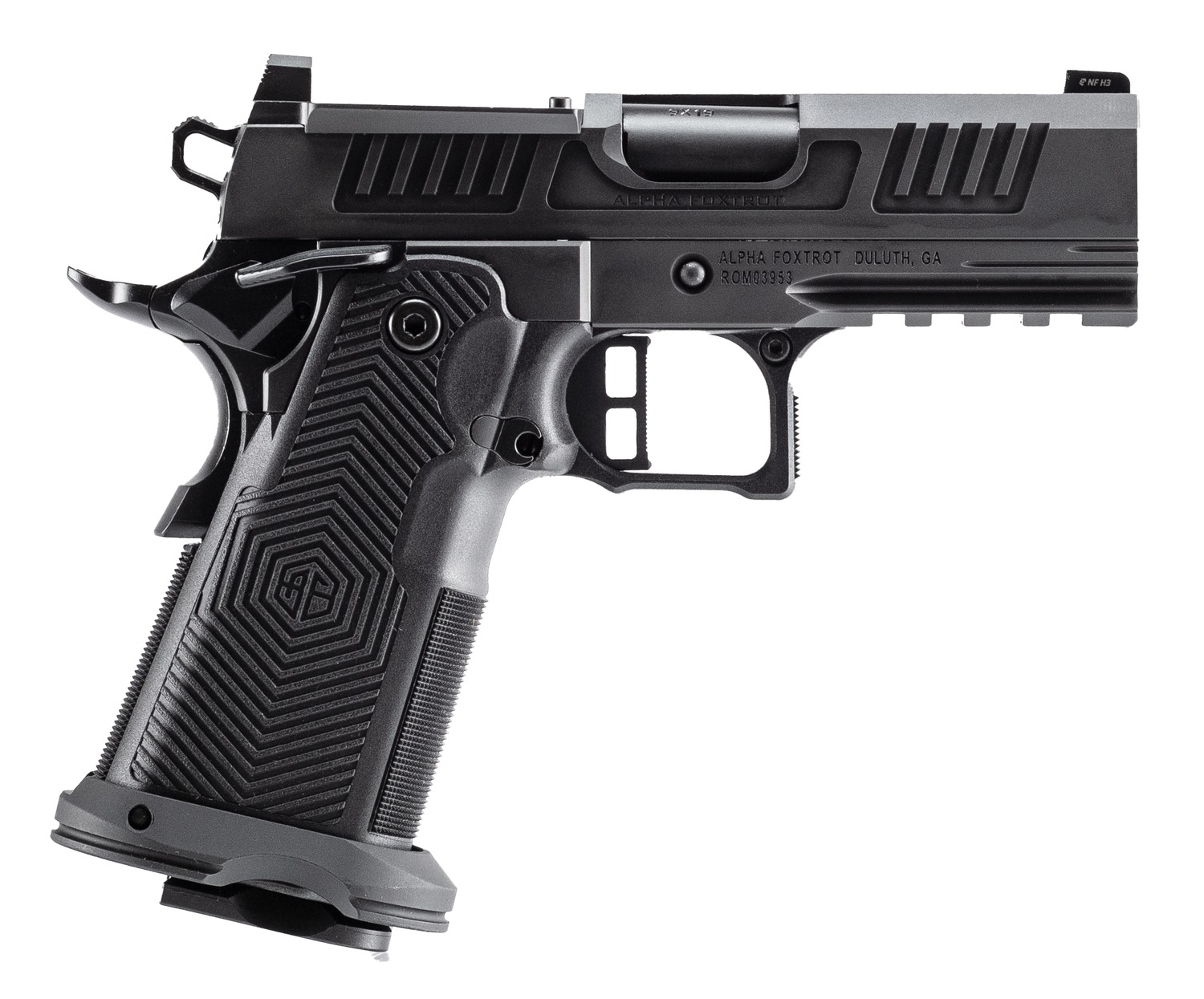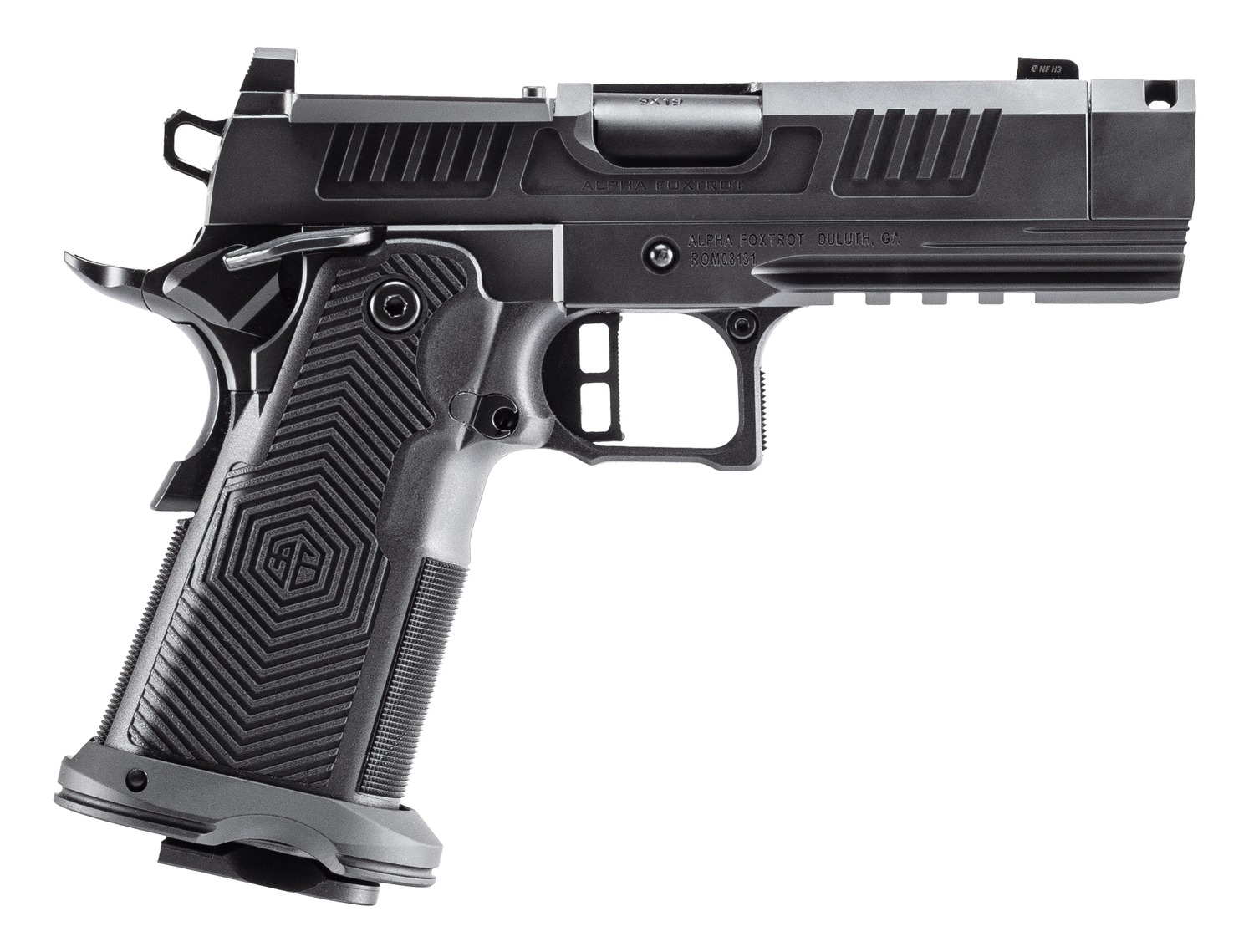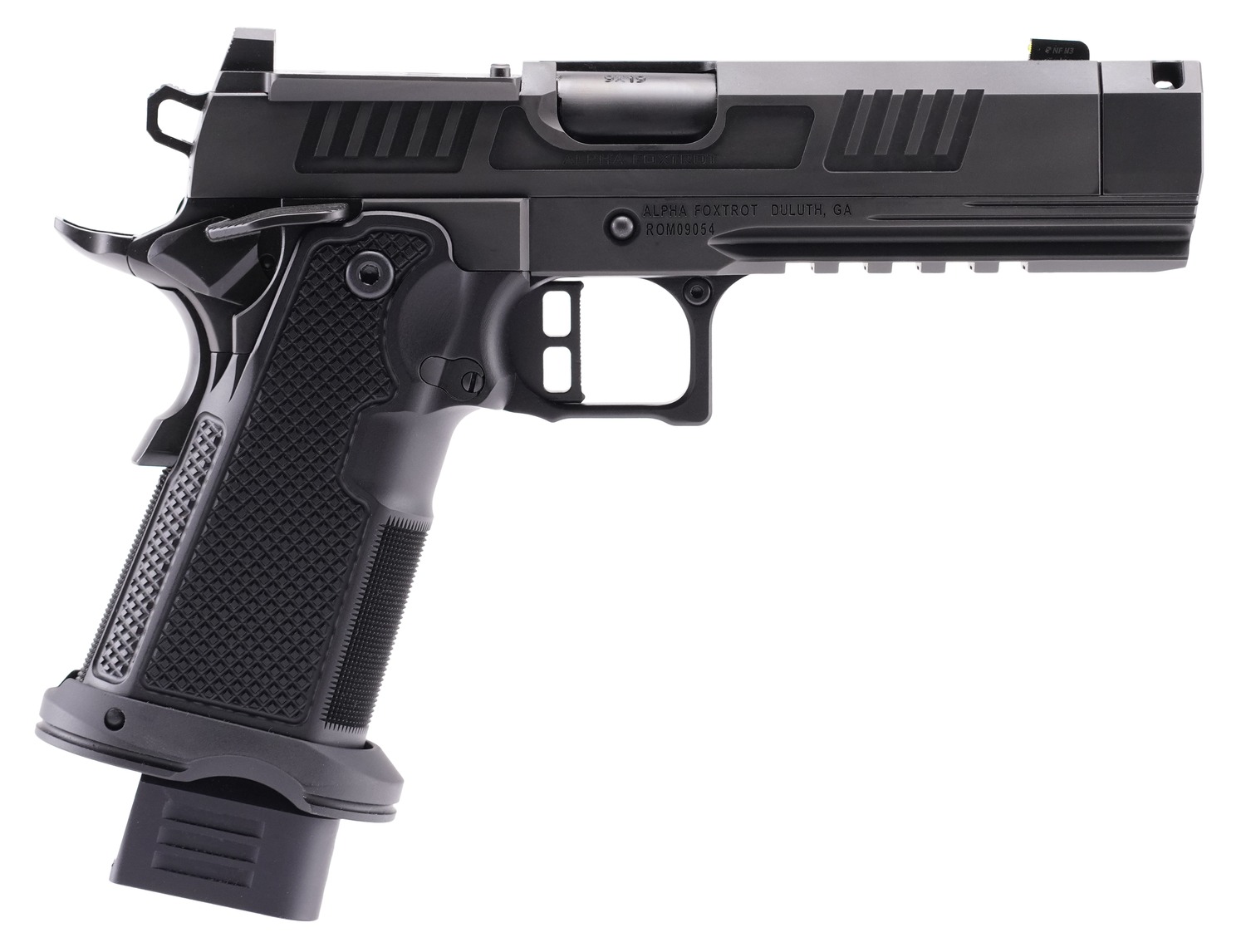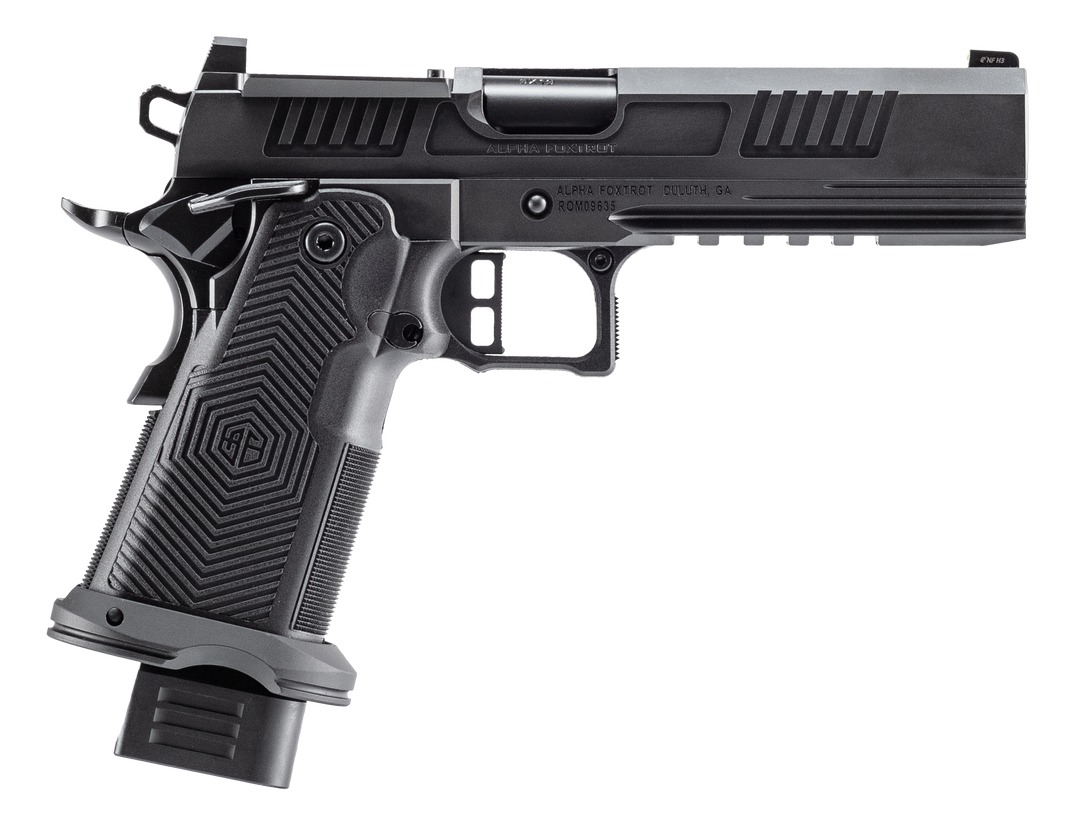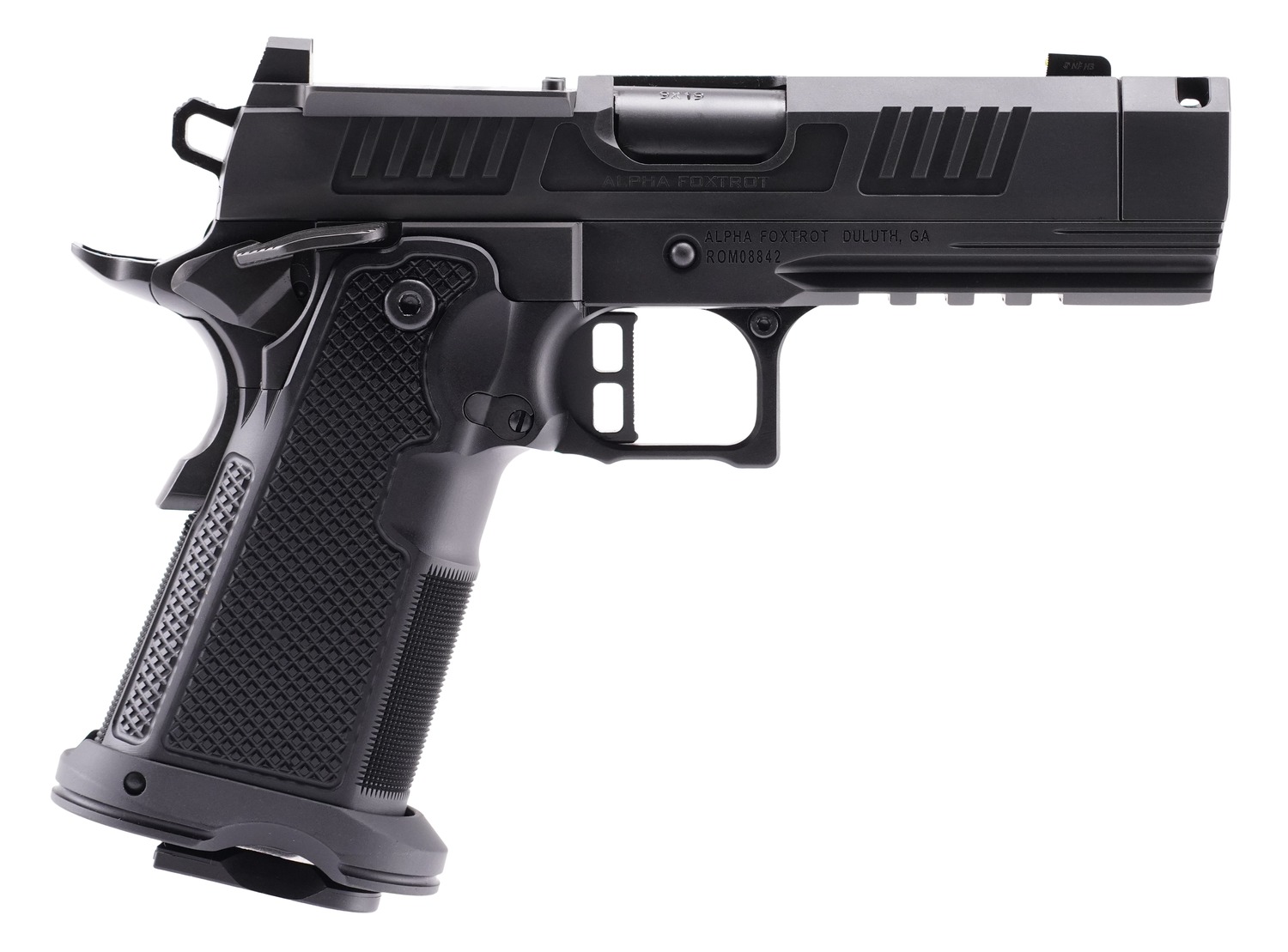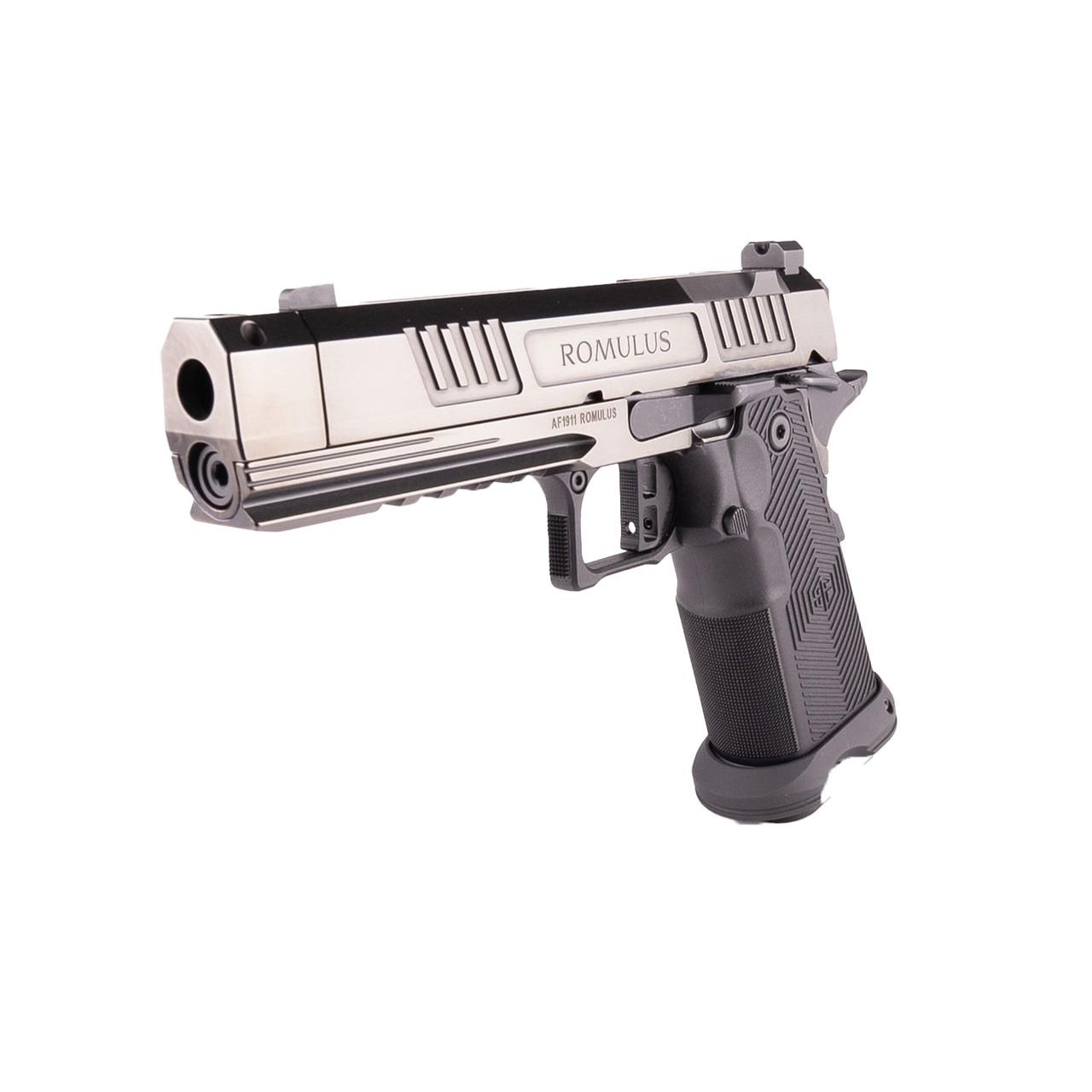
Shop our selection of semi auto handguns from trusted brands like Franklin Armory, Bond Arms, Browning, Canik, Century Arms, and Charles Daly Chiappa. KT Back Road Arms carries dependable, accurate semi auto handguns built for concealed carriers, competition shooters, home defenders, and everyday users who want fast follow-up shots and easy reloads. From striker-fired carry pistols to full-size duty guns, we stock a wide range of calibers and frame sizes to fit every hand and purpose. Browse the full lineup of handguns, then stock up on handgun ammunition and handgun magazines to keep your pistol ready. Round out your kit with revolvers, scopes sights and optics, and gun parts from our full inventory.

Get semi auto handguns online by comparing models, checking current availability, and reviewing specifications such as caliber, capacity, barrel length, and sight configuration. Selecting the right semi-automatic pistol depends on your intended use, hand fit, and preferences for action type and sighting system.
Use these pointers to narrow down your selection:
Purchase semi auto handguns online or visit the gun shop in Mainesburg, Pennsylvania to handle different frame sizes, test trigger reach, and compare slide profiles in person. KT Back Road Arms serves customers in the nearby cities of Mansfield, Troy, and the broader Tioga County, stocking carry pistols, duty-grade service guns, range platforms, and competition-ready models.
Federal law requires semi-automatic handgun buyers to be at least 21 years old when purchasing from a licensed dealer, and Pennsylvania additionally requires a background check through the Pennsylvania Instant Check System (PICS) for every handgun transfer, including private sales completed at a dealer or sheriff’s office. Buyers must complete ATF Form 4473, and any disqualifying factors under federal or state law will block the transfer.
Carrying a loaded handgun in a vehicle or concealed on your person in Pennsylvania generally requires a License to Carry Firearms, issued by the county sheriff (or the police chief in Philadelphia), outside of specific transport exceptions. Store semi-autos unloaded with magazines kept separate when not in use, and contact the shop with questions about transfers from out-of-state dealers, special-order availability, or current inventory.
When the cartridge fires, recoil and gas pressure drive the slide rearward, ejecting the spent case and cocking the hammer or striker. A recoil spring then returns the slide forward, stripping a fresh round from the magazine and chambering it for the next shot.
Single-stack magazines hold cartridges in a single column, producing a thinner grip ideal for concealed carry but with reduced capacity. Double-stack magazines stagger rounds in two columns for higher capacity at the cost of a wider grip.
Both designs are safe when handled properly, since modern striker-fired and hammer-fired pistols include internal safeties that prevent firing without a deliberate trigger pull. Differences lie more in trigger feel, manual safety availability, and shooter preference than in absolute safety.
Optics-ready pistols have a milled slide cut and mounting plate system that allows direct mounting of a miniature red dot sight without gunsmithing. Common patterns include the Trijicon RMR, Shield RMSc, and Leupold DeltaPoint Pro footprints.
Most manufacturers recommend replacing recoil springs every 3,000 to 5,000 rounds depending on the pistol design and caliber, since worn springs can cause sluggish slide return and feeding issues. Subcompact pistols often require more frequent replacement due to their stiffer, shorter springs.
Decockers safely lower a cocked hammer to its rest position without pulling the trigger, allowing DA/SA pistols to be carried hammer-down with a round chambered. Striker-fired pistols generally do not have decockers because the striker is only partially tensioned and is held safely by internal safeties.
Most modern centerfire semi-autos can be safely dry fired, though using snap caps or dummy rounds is recommended to cushion the firing pin and protect the breech face during extended practice. Always consult your owner’s manual to confirm the manufacturer’s guidance.
Most new semi-automatic handguns benefit from 200 to 500 rounds of break-in to allow internal parts to seat and smooth out, with manufacturers often noting any specific break-in recommendations in the manual. Reliability with chosen carry ammunition should be confirmed after the break-in period.