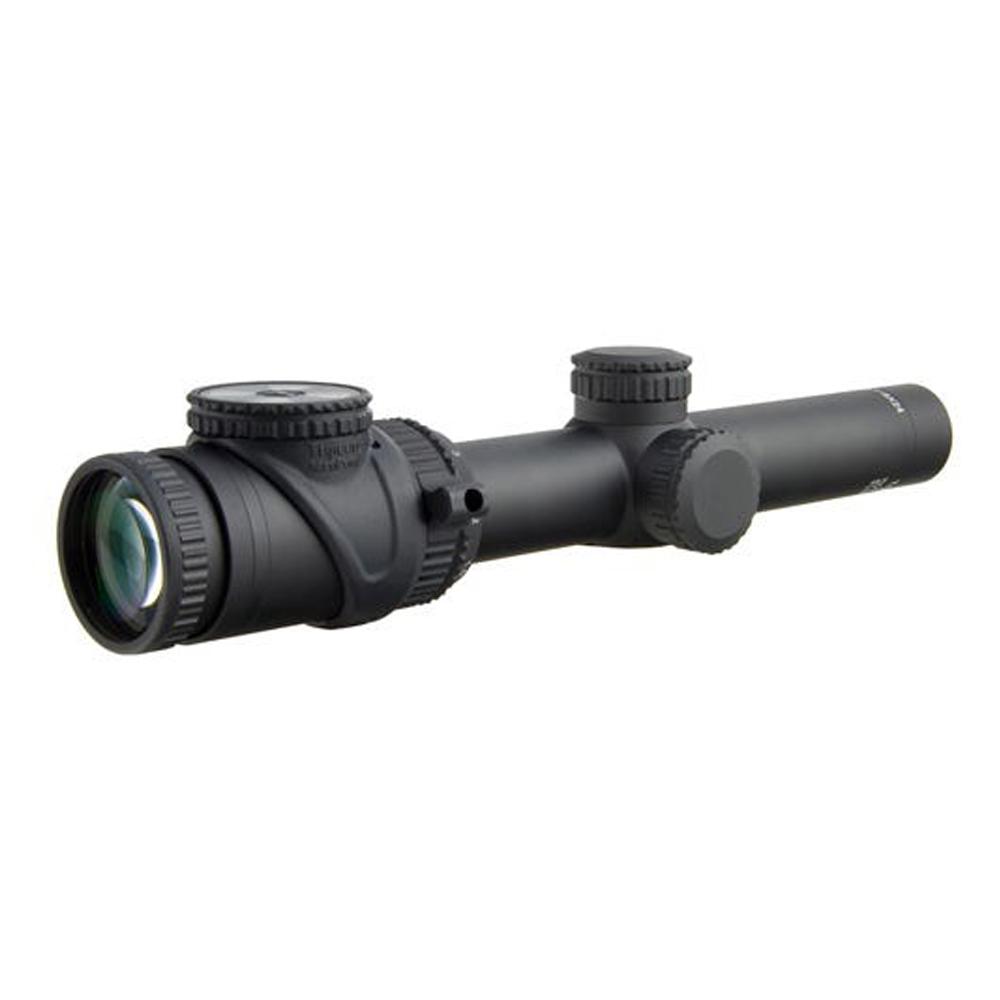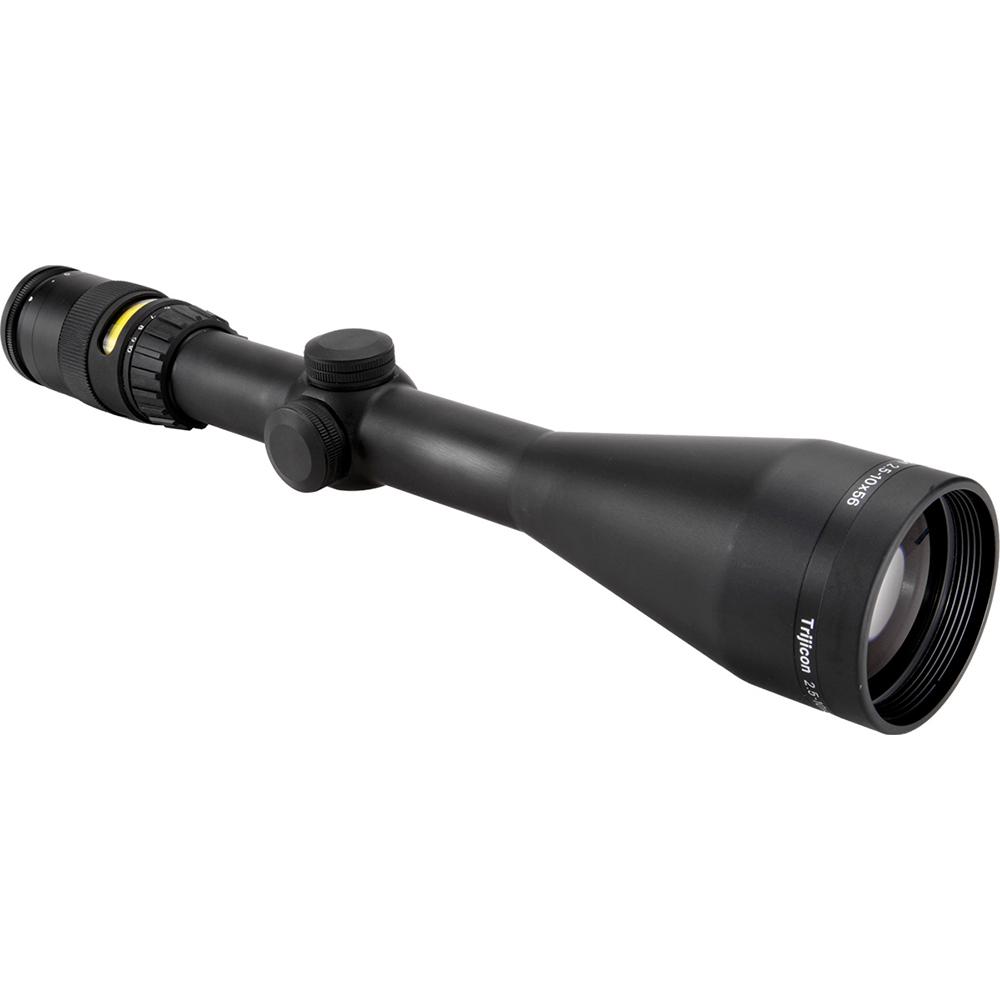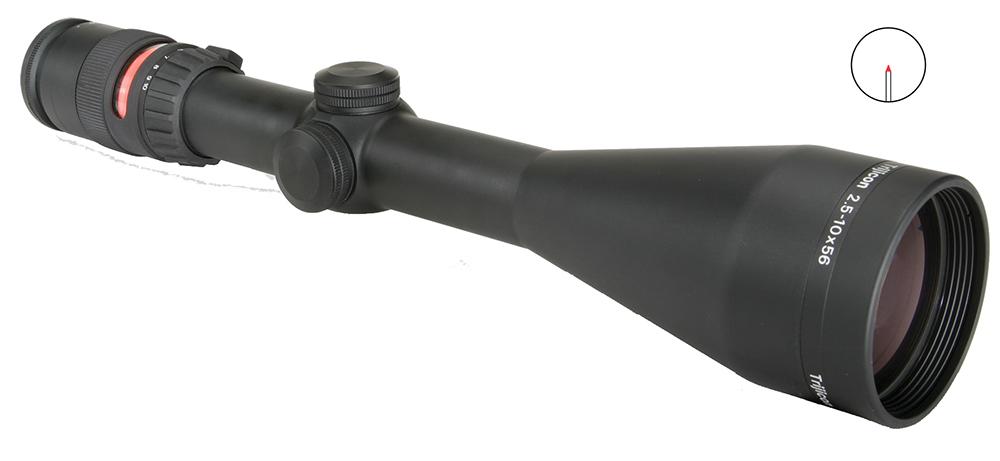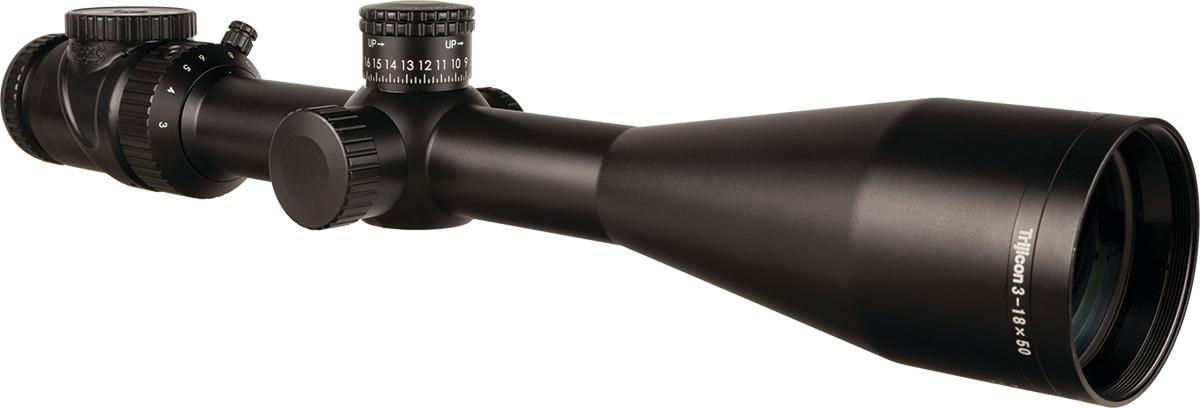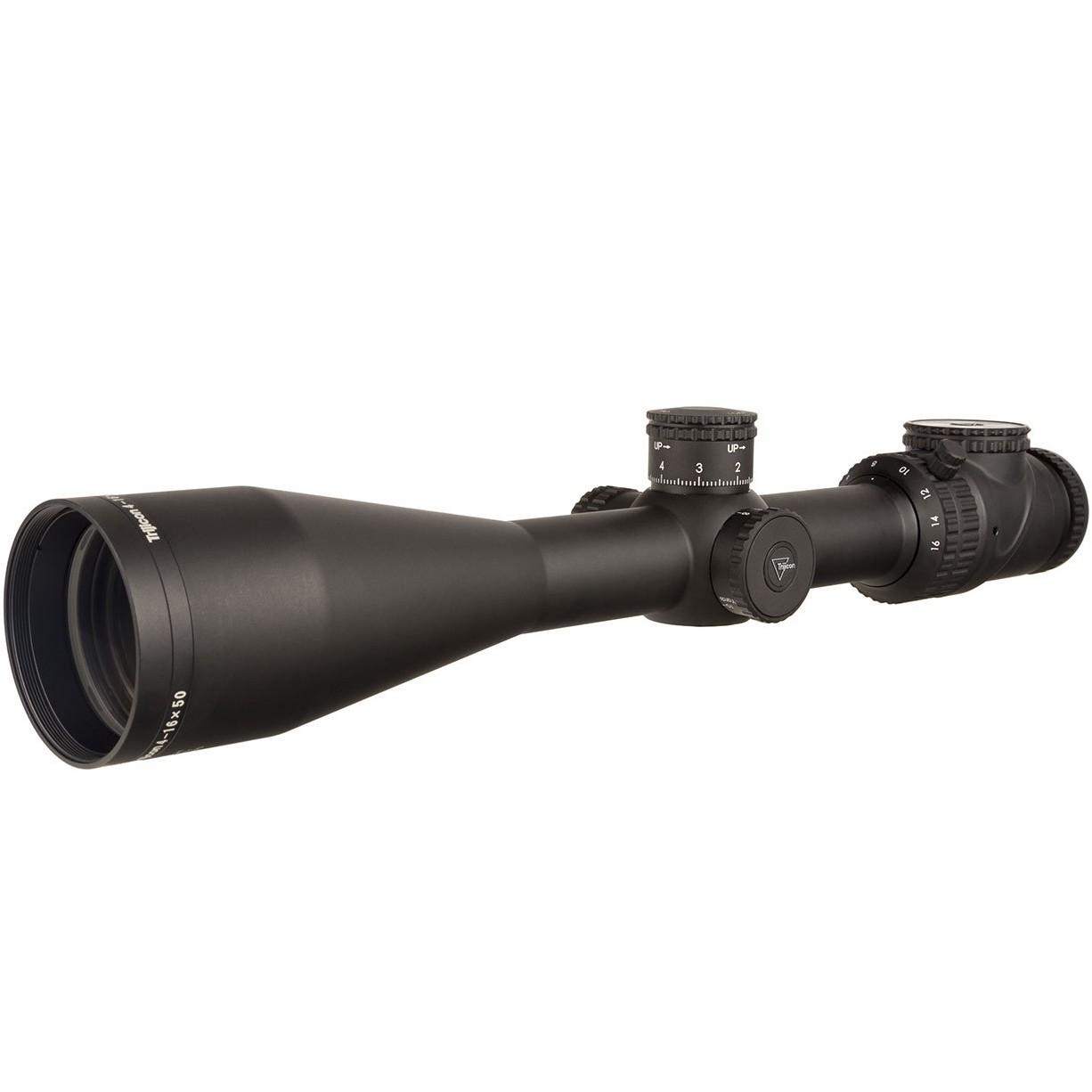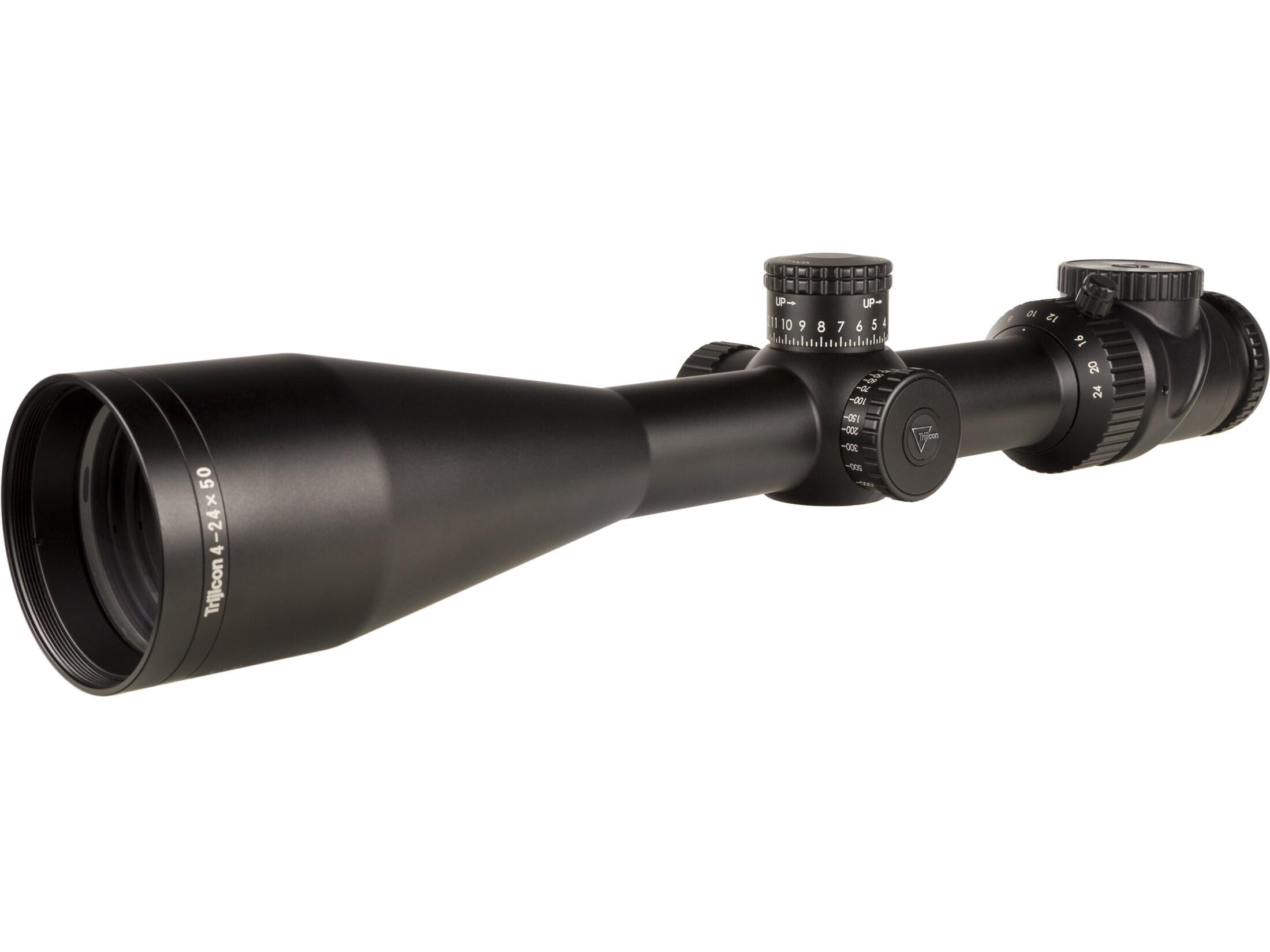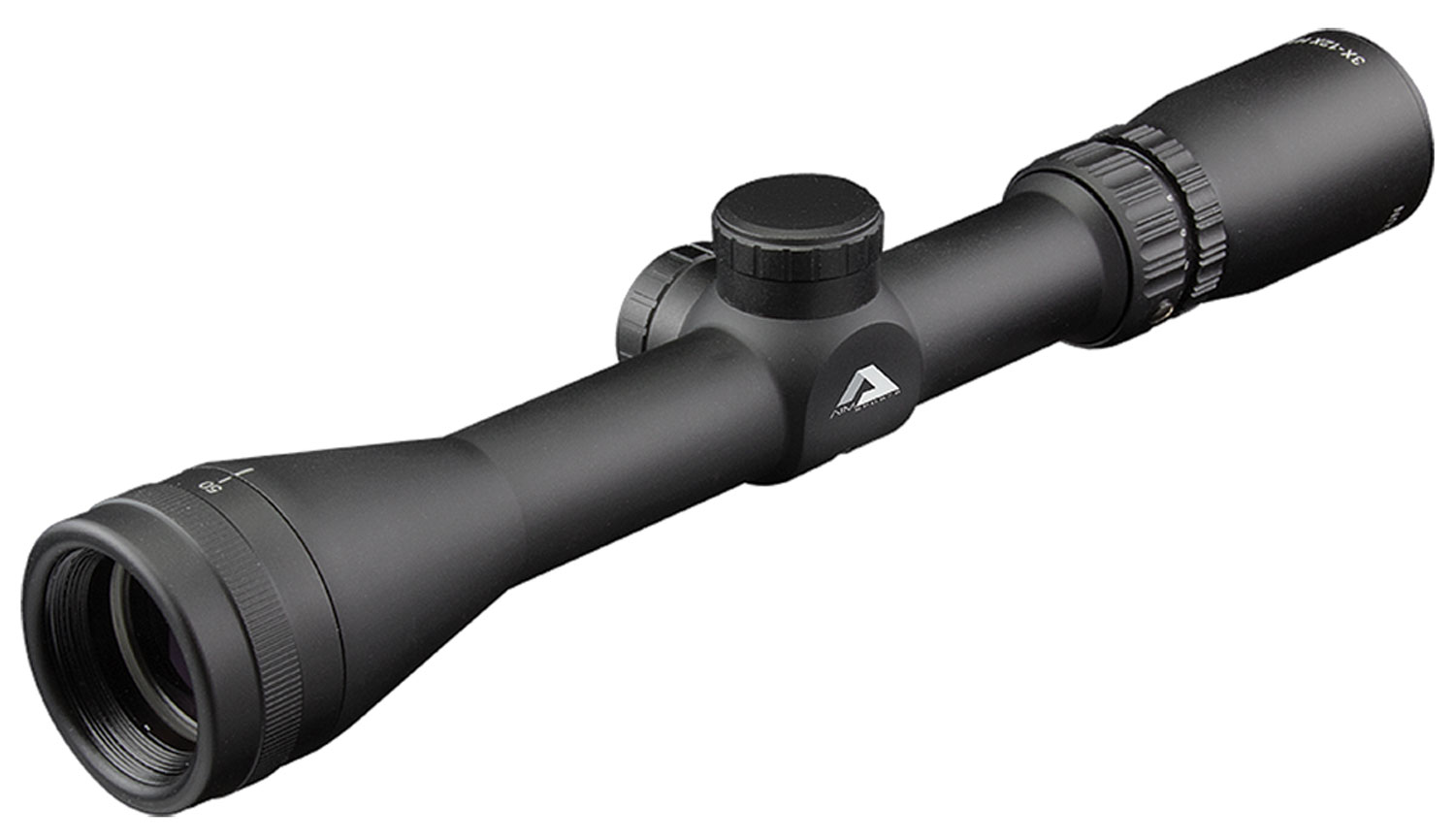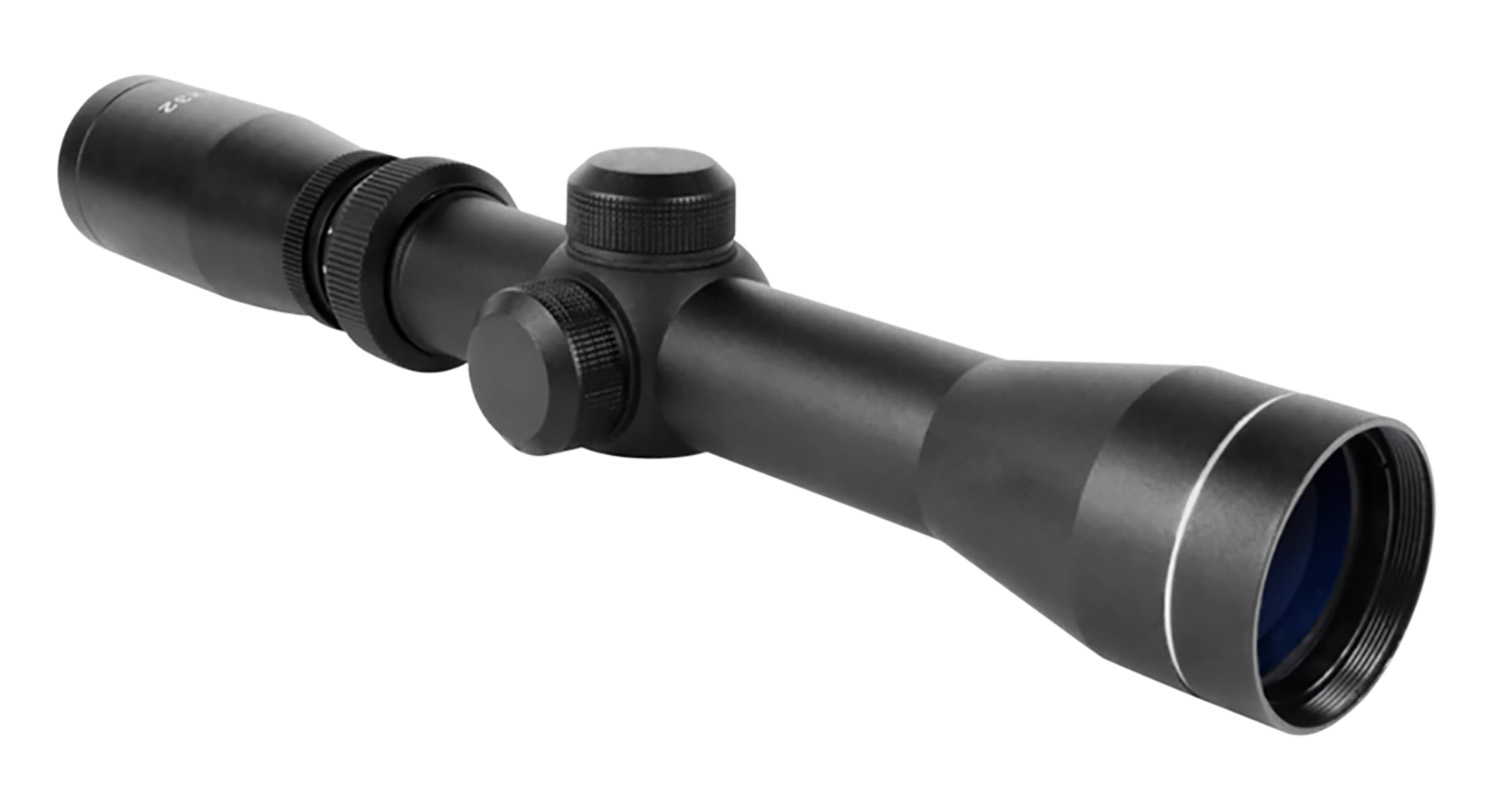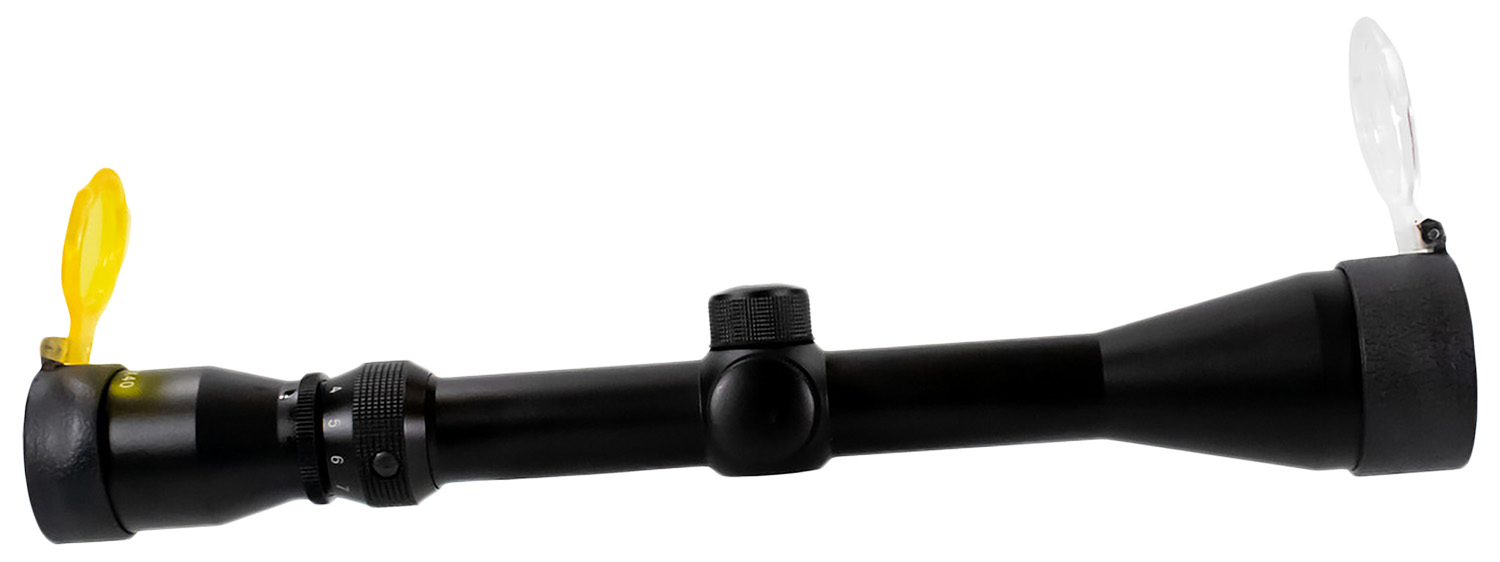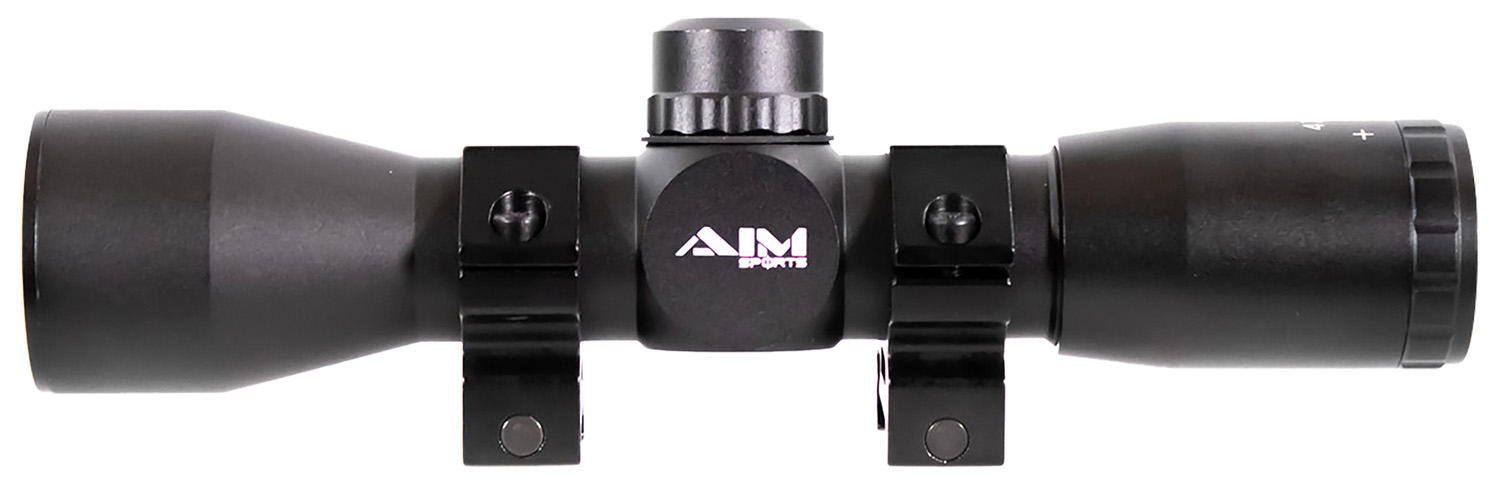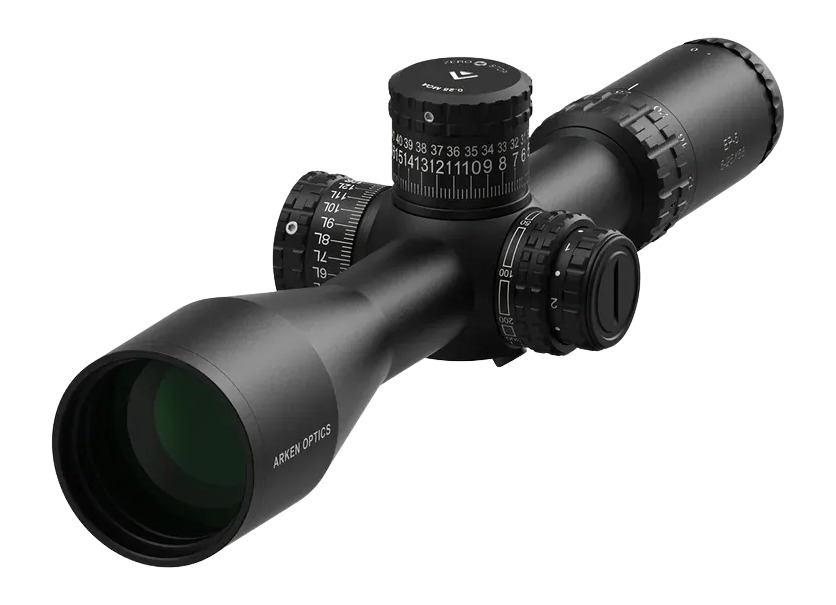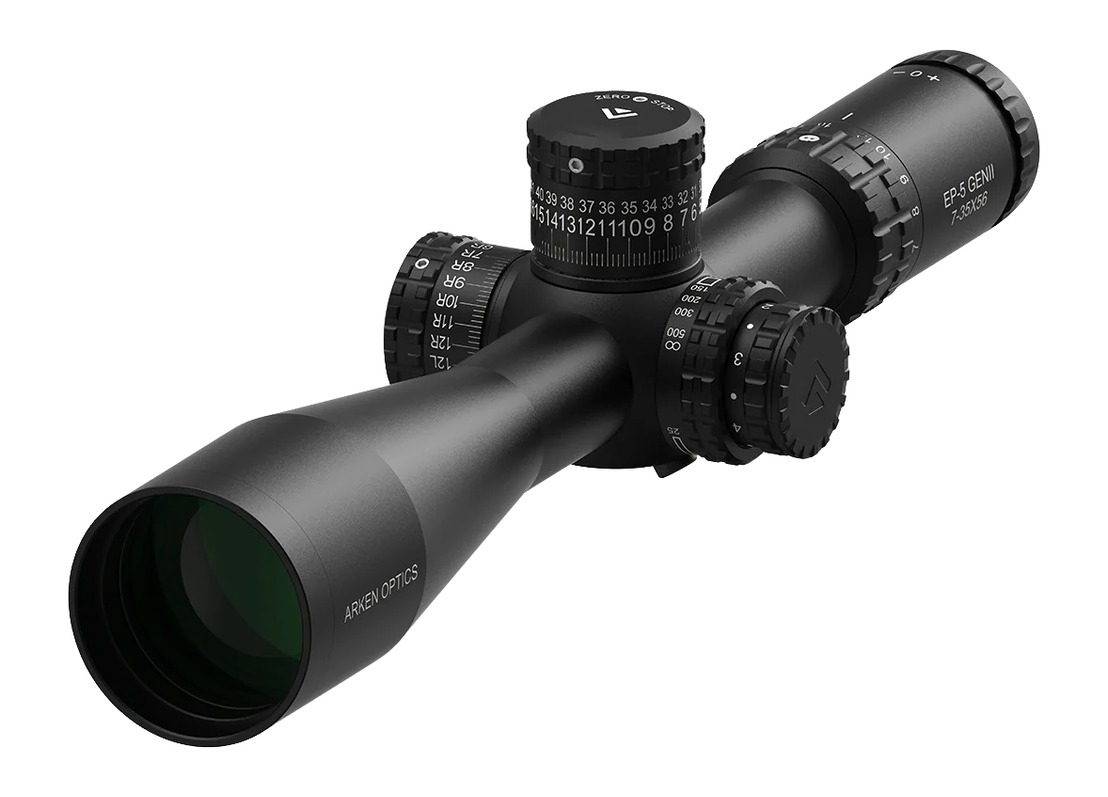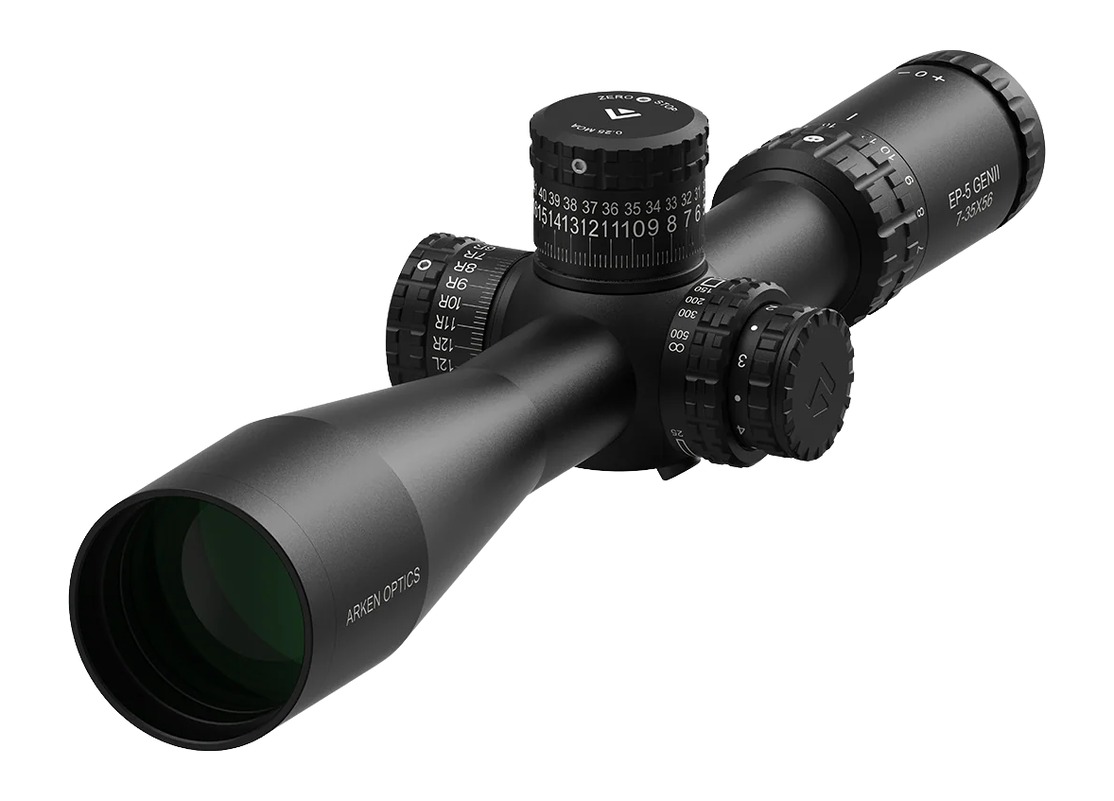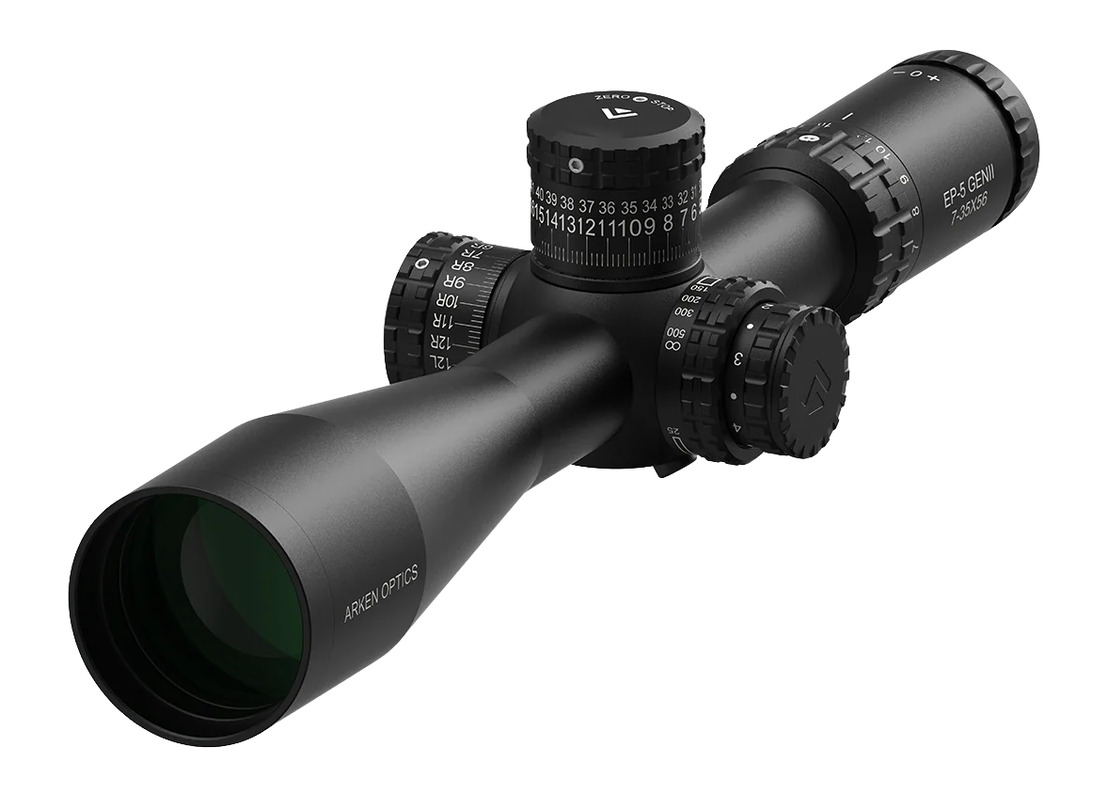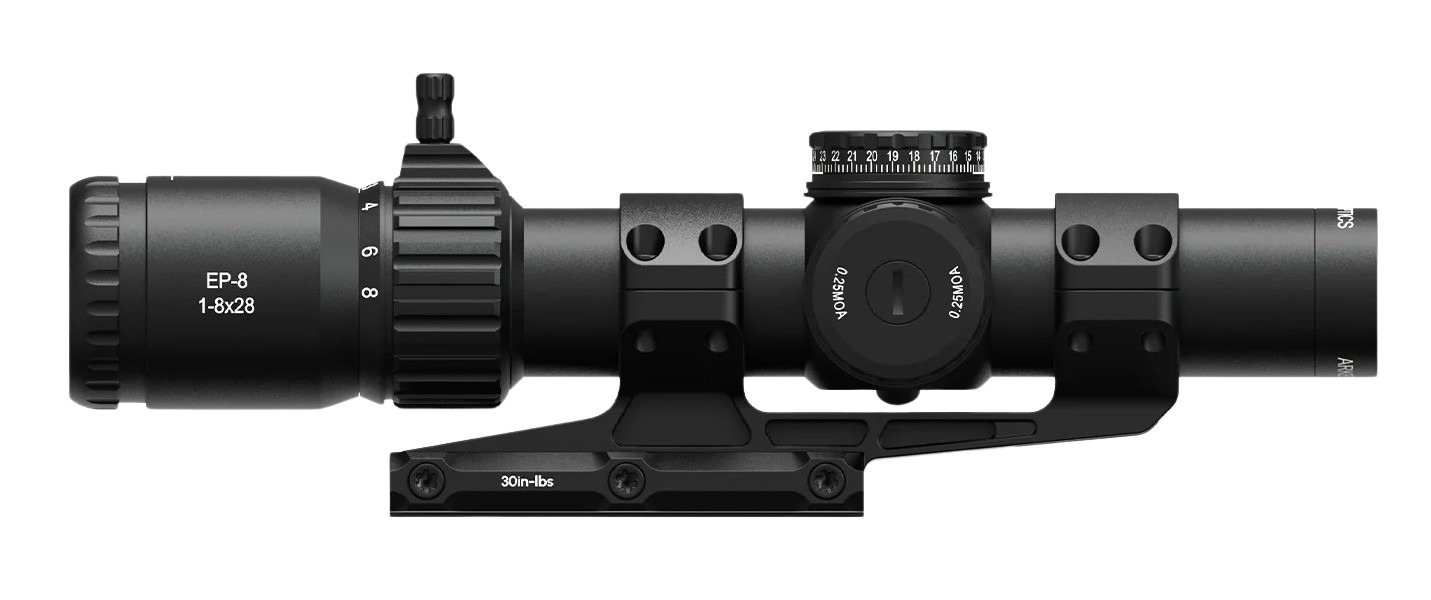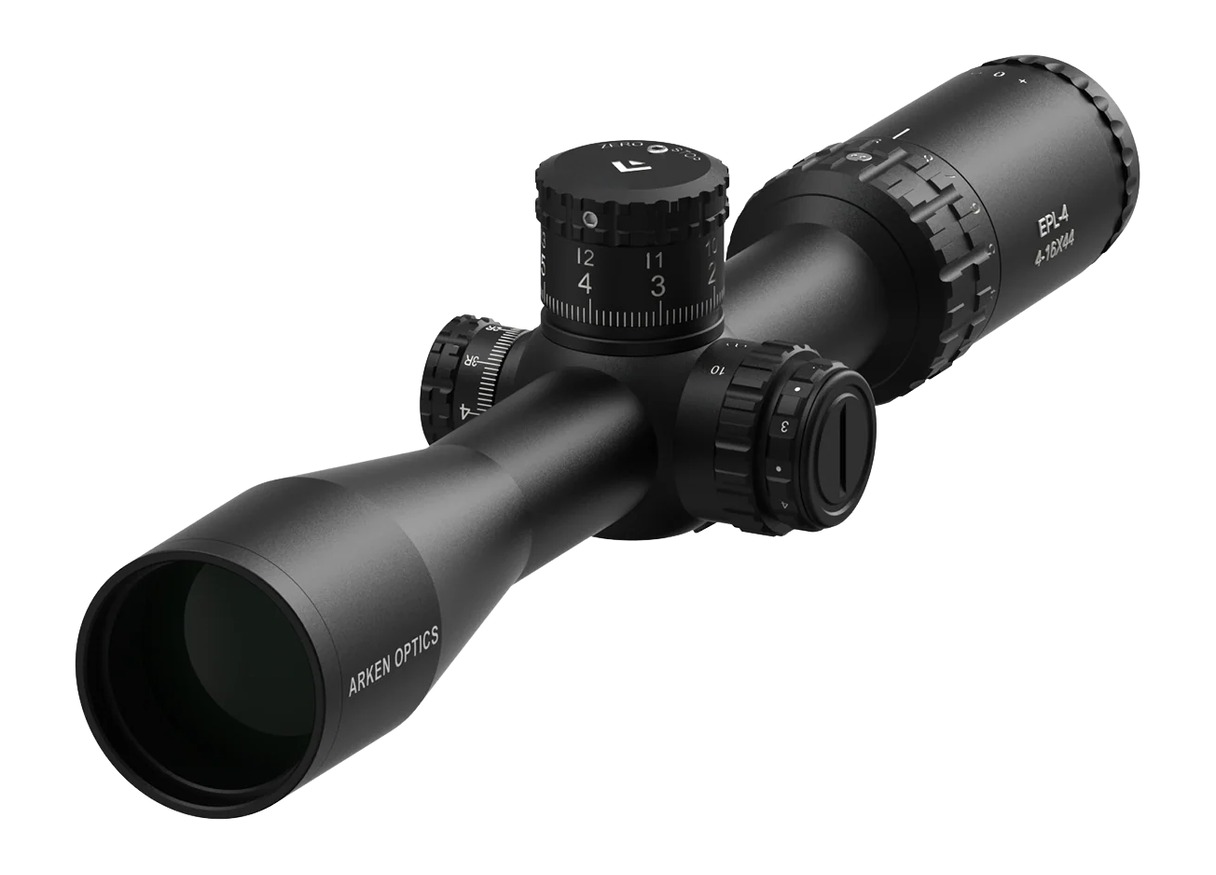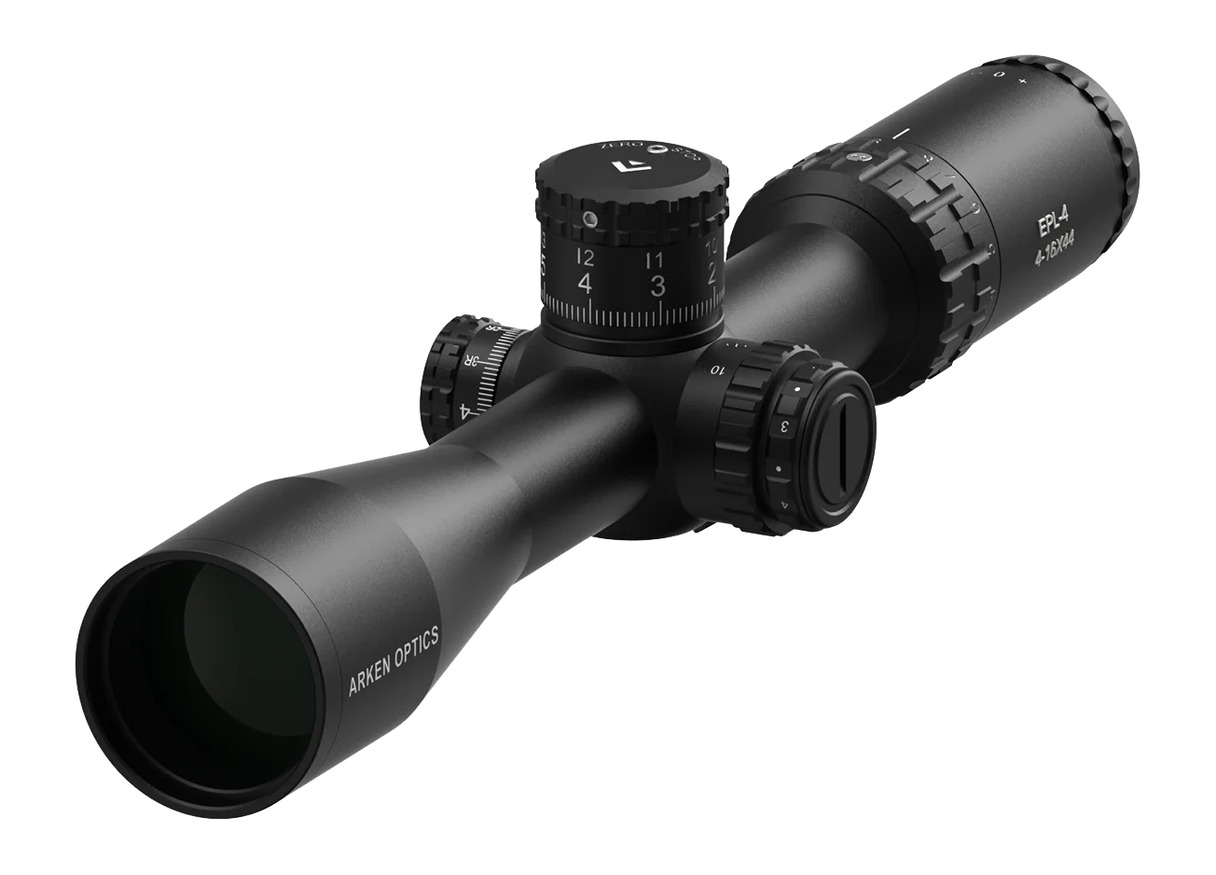
Order gun scopes online from trusted brands like Viridian, Leapers, Leupold, Athlon Optics, and Barska. KT Back Road Arms stocks high-performance, precision gun scopes built for long-range shooters, big game hunters, varmint hunters, and tactical enthusiasts who demand clear glass and accurate holdovers at any distance. From low-power variable optics to high-magnification precision scopes, we carry a wide range of magnifications, reticles, and turret styles to match every shooter and platform. Pair your optic with bolt action rifles, AR rifles, and semi auto rifles from our lineup, or explore gun sights, red dot sights, and rifle ammunition to round out your setup.

Purchase gun scopes online by comparing models, checking current availability, and reviewing specifications such as caliber, capacity, barrel length, and sight configuration. Selecting the right scope depends on your platform, target distance, and the reticle and turret system that fits your shooting application.
Use these pointers to dial in your selection:
Buy gun scopes online or visit the gun shop in Mainesburg, Pennsylvania to compare reticles side by side, check eye relief on different platforms, and evaluate glass clarity in person. KT Back Road Arms serves customers in the nearby cities of Mansfield, Troy, and the broader Tioga County, stocking scopes suited to whitetail hunting, predator work, three-gun competition, and precision rifle shooting at extended distance.
Gun scopes are not classified as firearms under federal law and do not require a background check or ATF Form 4473 to purchase, with standard retail and online ordering rules applying. Pennsylvania does not impose state-level optic restrictions for civilian sporting use, though Pennsylvania Game Commission rules may affect optic features like illuminated reticles or night vision capability during specific hunting seasons.
Install scopes using torque-rated rings or mounts and verify zero before relying on the setup for hunting or defense, since loose hardware is the most common source of accuracy and reliability issues. Store scopes in padded cases or with lens caps installed to protect coatings from grit and condensation, and contact the shop with questions about availability, fitment, or special-order configurations.
LPVO stands for low power variable optic, typically a 1-6x, 1-8x, or 1-10x scope that delivers true 1x for close-quarters work while extending magnification for precision shots. LPVOs are popular on AR-platform rifles for their versatility across short and mid distances.
In a scope listing like 4-16×50, the 4-16 represents the magnification range and the 50 indicates the objective lens diameter in millimeters. Larger objective lenses gather more light, which improves brightness in low light conditions but adds weight and requires taller rings.
First focal plane (FFP) scopes have reticles that scale with magnification, keeping holdover and ranging marks accurate at any power setting. Second focal plane (SFP) scopes maintain a constant reticle size regardless of magnification, with holdovers calibrated only at one specified power.
Most shooters bore-sight at close range first, then fire three-shot groups at 25 yards to confirm a rough zero before moving to 100 yards for final adjustment. Adjust turrets in the direction the reticle needs to move, then confirm the final zero with a final group.
A 3-9x or 4-12x scope with a 40 or 44mm objective lens covers the vast majority of whitetail hunting scenarios, with enough power for 300-yard shots and a wide enough field of view at low magnification for shots in heavy cover. Variable scopes are generally preferred over fixed-power options for hunting.
Eye relief is the distance between the rear of the scope and the shooter’s eye that produces a full sight picture without scope shadow. Adequate eye relief (typically 3.5 inches or more on rifle scopes) prevents scope-eye injuries from heavy recoil.
Illuminated reticles help in low light conditions like dawn, dusk, and overcast weather, particularly when the reticle would otherwise blend into a dark target. Many hunters appreciate illumination, while precision shooters often prioritize crisp etched reticles whether or not they include illumination.
Gun scopes are not classified as firearms under federal law and do not require a background check or ATF Form 4473 to purchase. Standard retail and online ordering rules apply, allowing direct shipment to most home addresses.