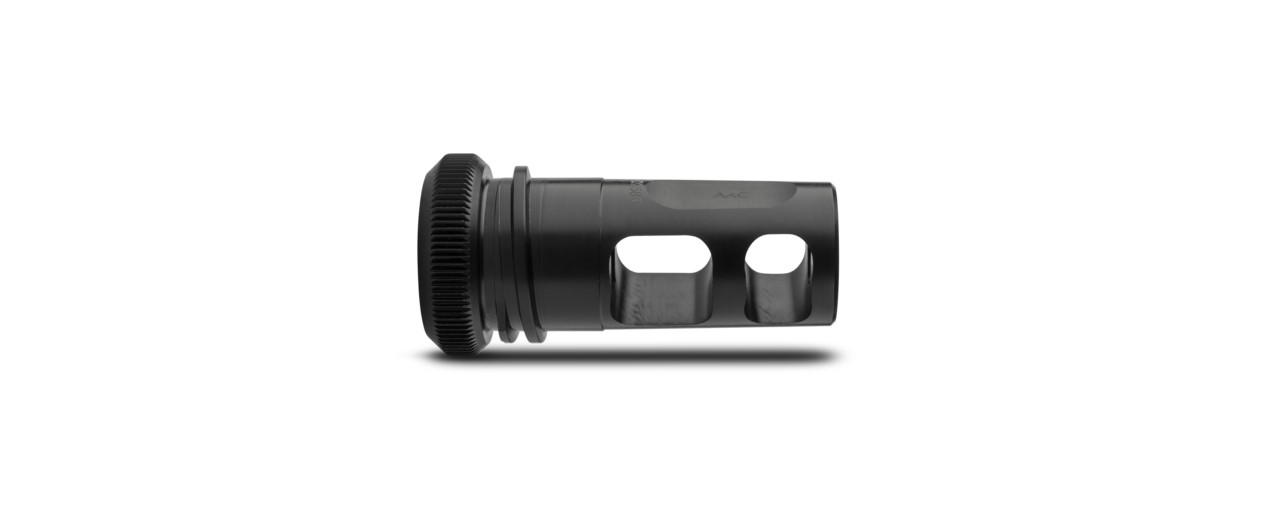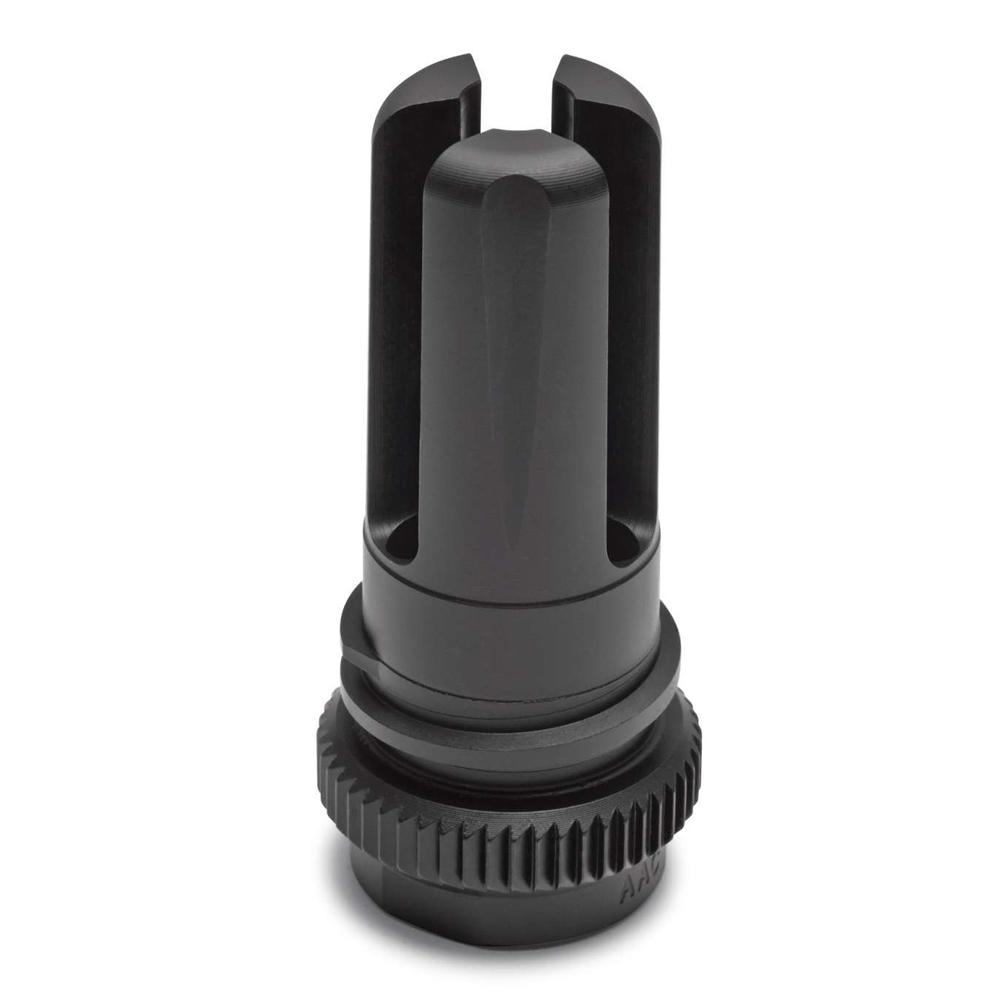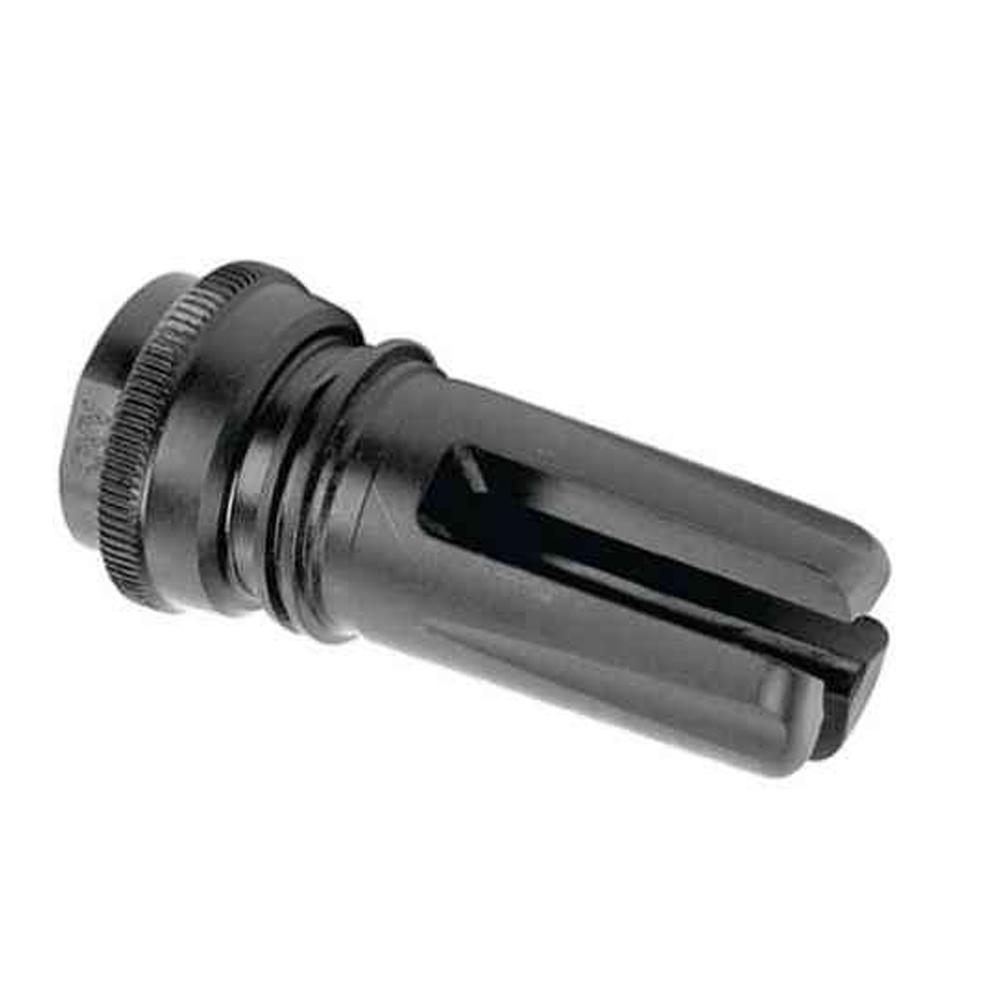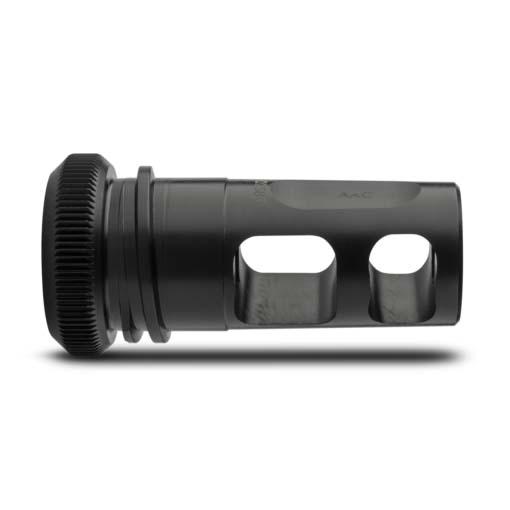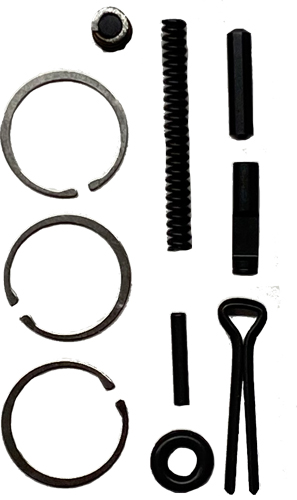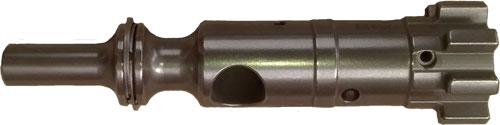
Browse our inventory of gun parts from trusted brands like Lyman, Chipmunk, Christensen Arms, B&T, and Amend2. KT Back Road Arms carries quality, reliable gun parts built for hobbyist gunsmiths, custom builders, and shooters looking to upgrade, repair, or maintain their firearms. From triggers and barrels to grips, stocks, and small components, we stock a wide range of parts to keep your guns running smoothly and tailored to your preferences. Explore our handguns, rifles, and shotguns to find the perfect platform for your next build or upgrade. Round out your kit with magazines, scopes sights and optics, and ammunition options like rifle ammunition and handgun ammunition from our full lineup.

Browse gun parts online by comparing models, checking current availability, and reviewing specifications such as caliber, capacity, barrel length, and sight configuration. Choosing the right components depends on your platform, intended use, and whether you are performing routine maintenance or upgrading for performance.
Use these pointers to focus your selection:
Order gun parts online or visit the gun shop in Mainesburg, Pennsylvania to confirm fitment with your specific firearm and ask about compatibility before committing to a build or upgrade. KT Back Road Arms serves customers in the nearby cities of Mansfield, Troy, and the broader Tioga County, stocking maintenance components, build parts, and performance upgrades for popular handgun, rifle, and shotgun platforms.
Most non-firearm components ship without federal restrictions, but stripped lower receivers, complete frames, and certain regulated parts qualify as firearms under federal law and require transfer through a licensed dealer with the standard background check via the Pennsylvania Instant Check System (PICS). Buyers picking up a regulated part must complete ATF Form 4473 and meet federal and state eligibility requirements.
Some upgrades and replacements may benefit from professional installation, particularly fire control components, barrels, and headspace-sensitive parts, so consult a qualified gunsmith when in doubt. Store loose parts in clean, dry containers organized by platform, and contact the shop with questions about availability, fitment, or special-order components.
Most gun parts ship without restriction and do not require a background check, but stripped lower receivers, complete frames, and certain serialized components qualify as firearms under federal law and must be transferred through a licensed dealer. Always confirm whether a specific part is regulated before ordering.
Most AR-15 parts follow mil-spec dimensions and are broadly interchangeable across manufacturers, though some makers use proprietary takedown pin sizes, trigger pocket dimensions, or buffer tube threads. Always check fitment notes for the specific brand combination before ordering.
Most manufacturers recommend replacing recoil springs every 3,000 to 5,000 rounds, though subcompact pistols with shorter, stiffer springs often need replacement more frequently. Worn recoil springs can cause sluggish slide return and reliability issues.
A standard AR-15 lower parts kit usually includes the trigger, hammer, disconnector, fire control springs and pins, safety selector, magazine catch, bolt catch, takedown and pivot pins with detents and springs, buffer retainer, and grip screw. Some kits omit the trigger group for shooters installing aftermarket triggers.
Many maintenance and upgrade tasks are within reach of attentive owners with proper tools and reference materials, particularly drop-in components like recoil springs, sights, and grip modules. Headspace-sensitive work, barrel installation, and fire control fitting often benefit from a qualified gunsmith.
The most common distinction is buffer tube diameter, with mil-spec tubes measuring approximately 1.148 inches and commercial tubes measuring approximately 1.168 inches at the receiver extension. Stocks must match the corresponding tube size to fit properly.
Store gun parts in clean, dry containers with light oil or a vapor-corrosion-inhibitor wrap to prevent rust on steel components. Organizing parts by platform and labeling containers helps locate specific components when servicing or building a firearm.
Most components are not regulated, but the part the ATF defines as the firearm (typically the receiver or frame) is regulated and must be transferred through a licensed dealer. The specific regulated part varies by platform, so check current ATF guidance before ordering serialized components.