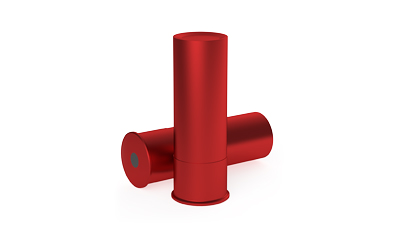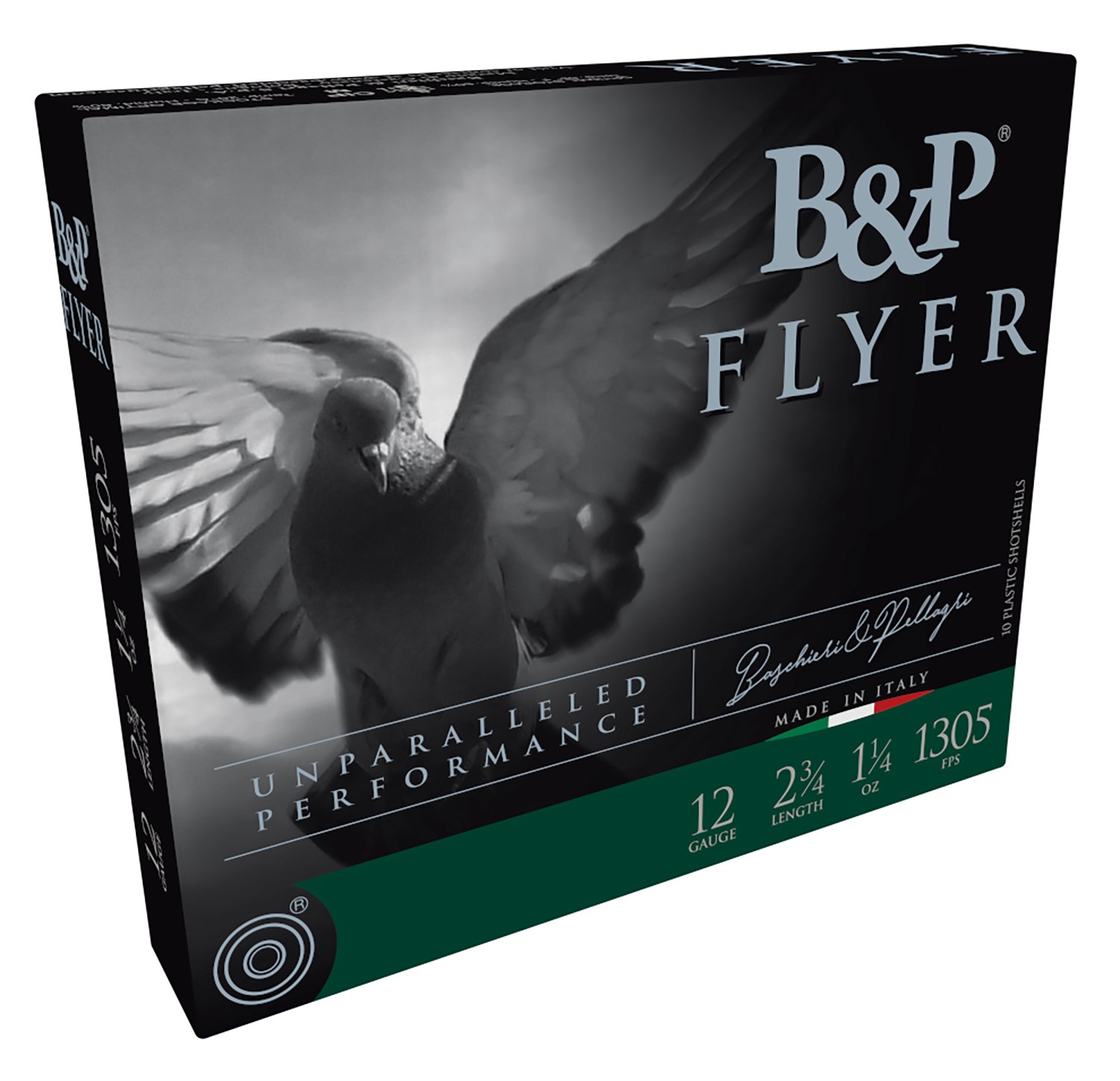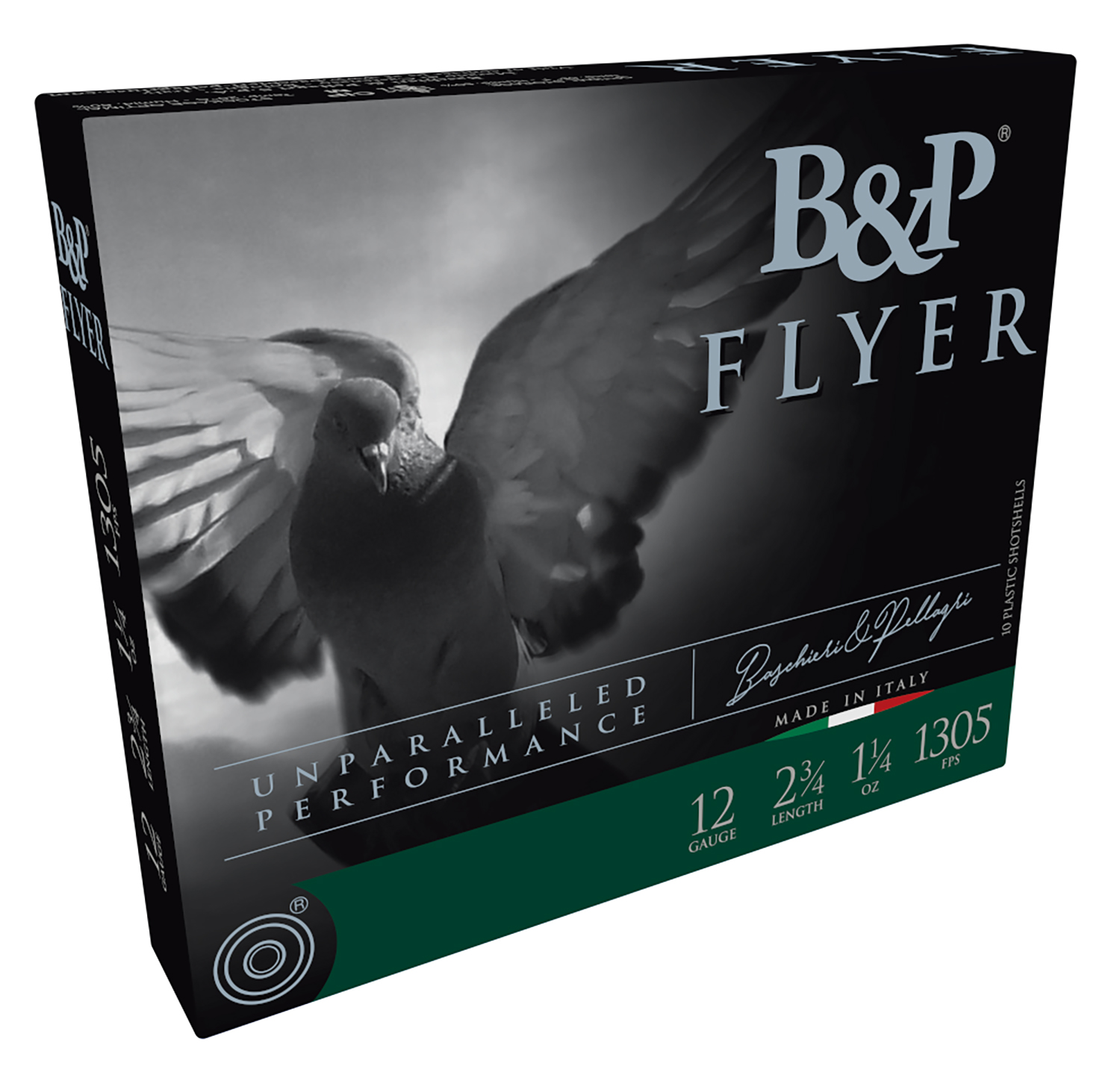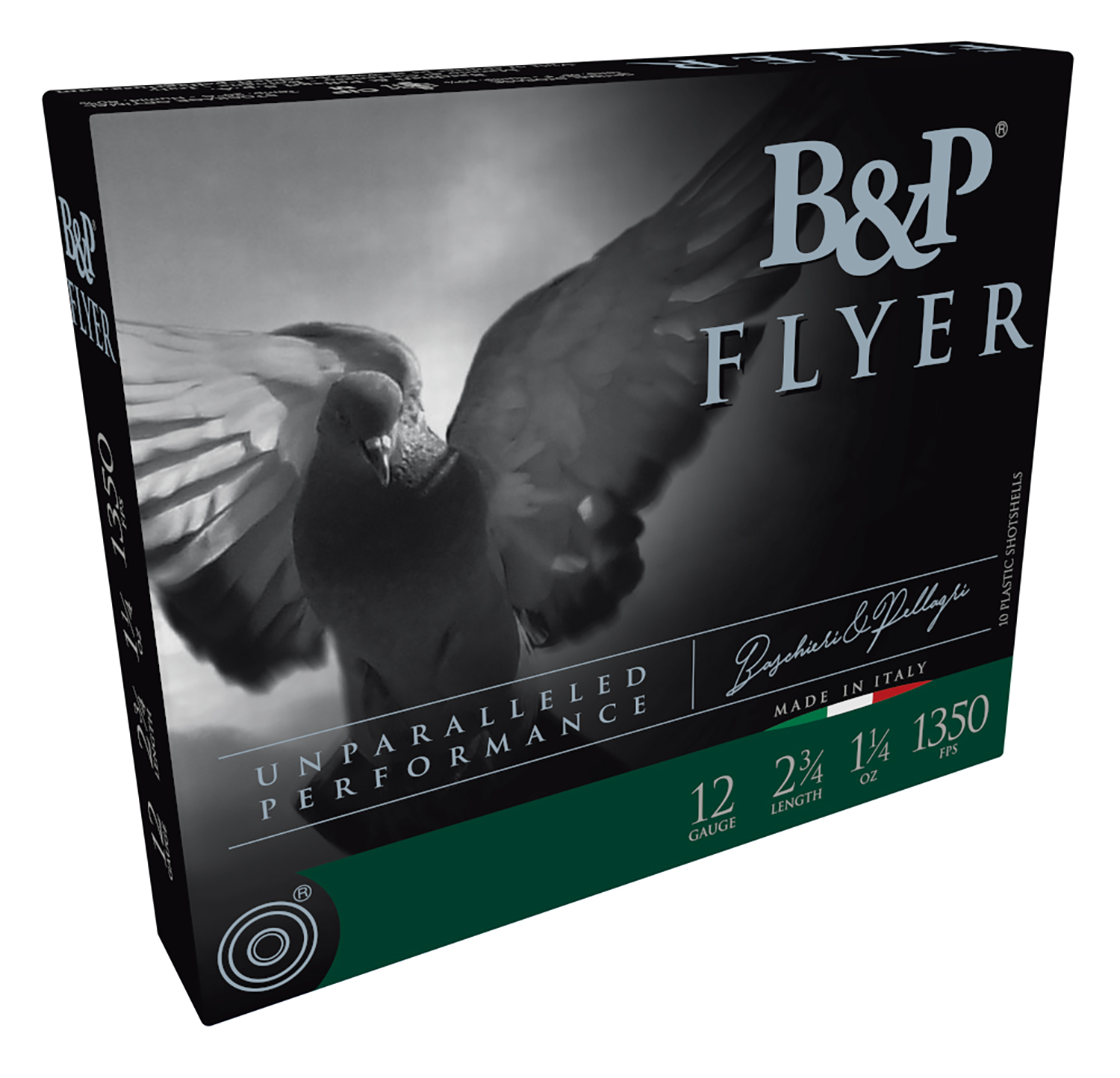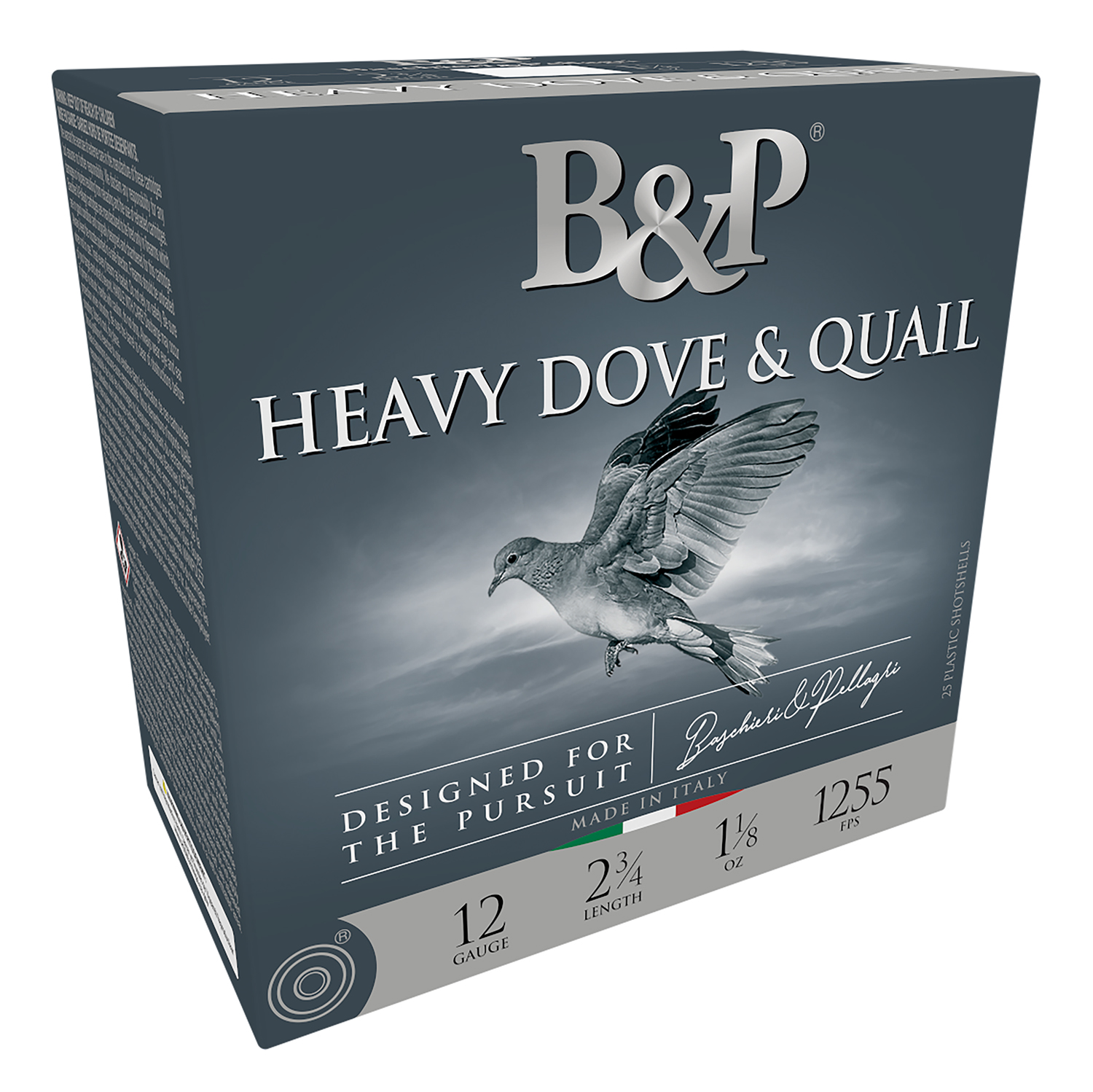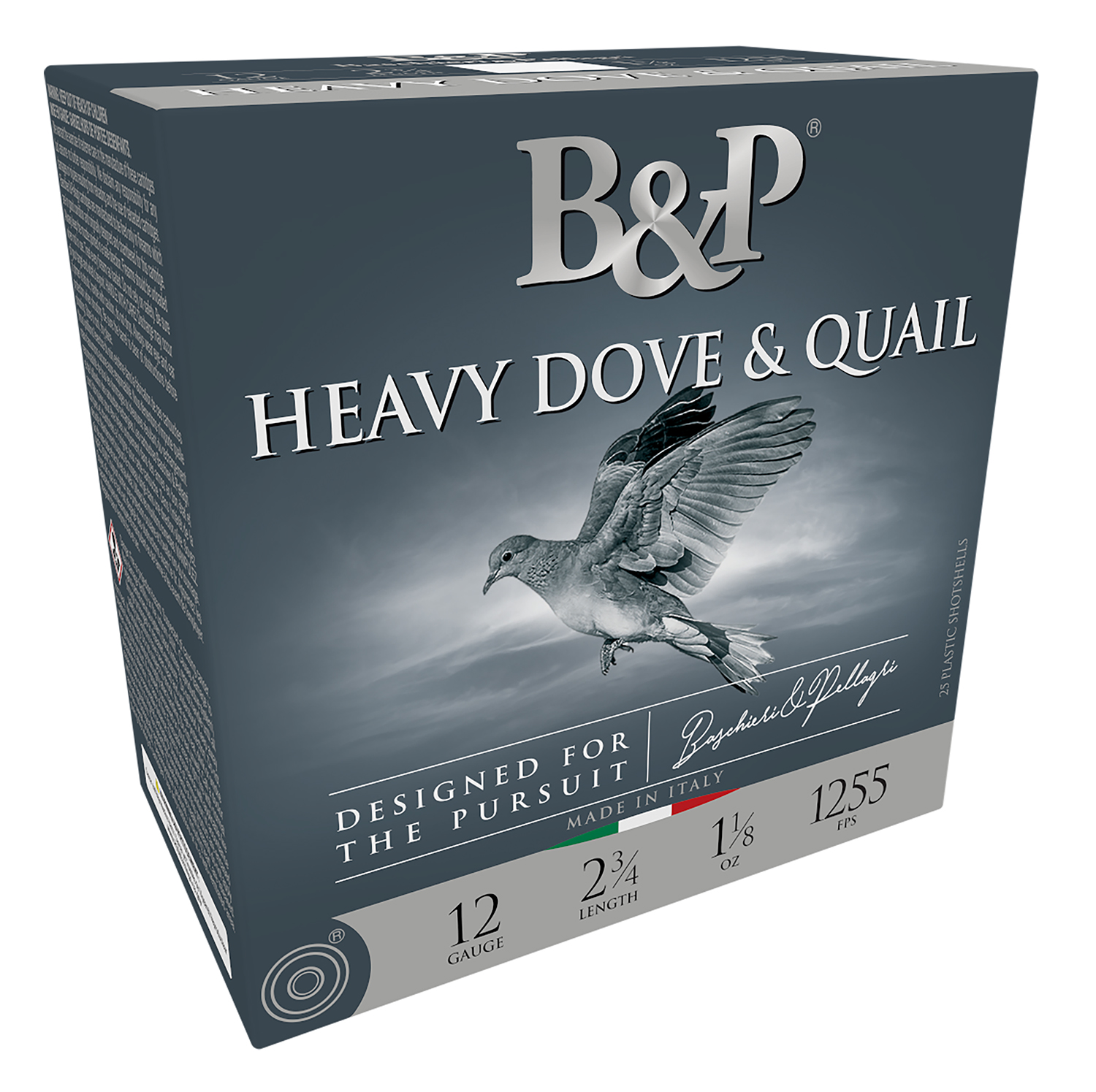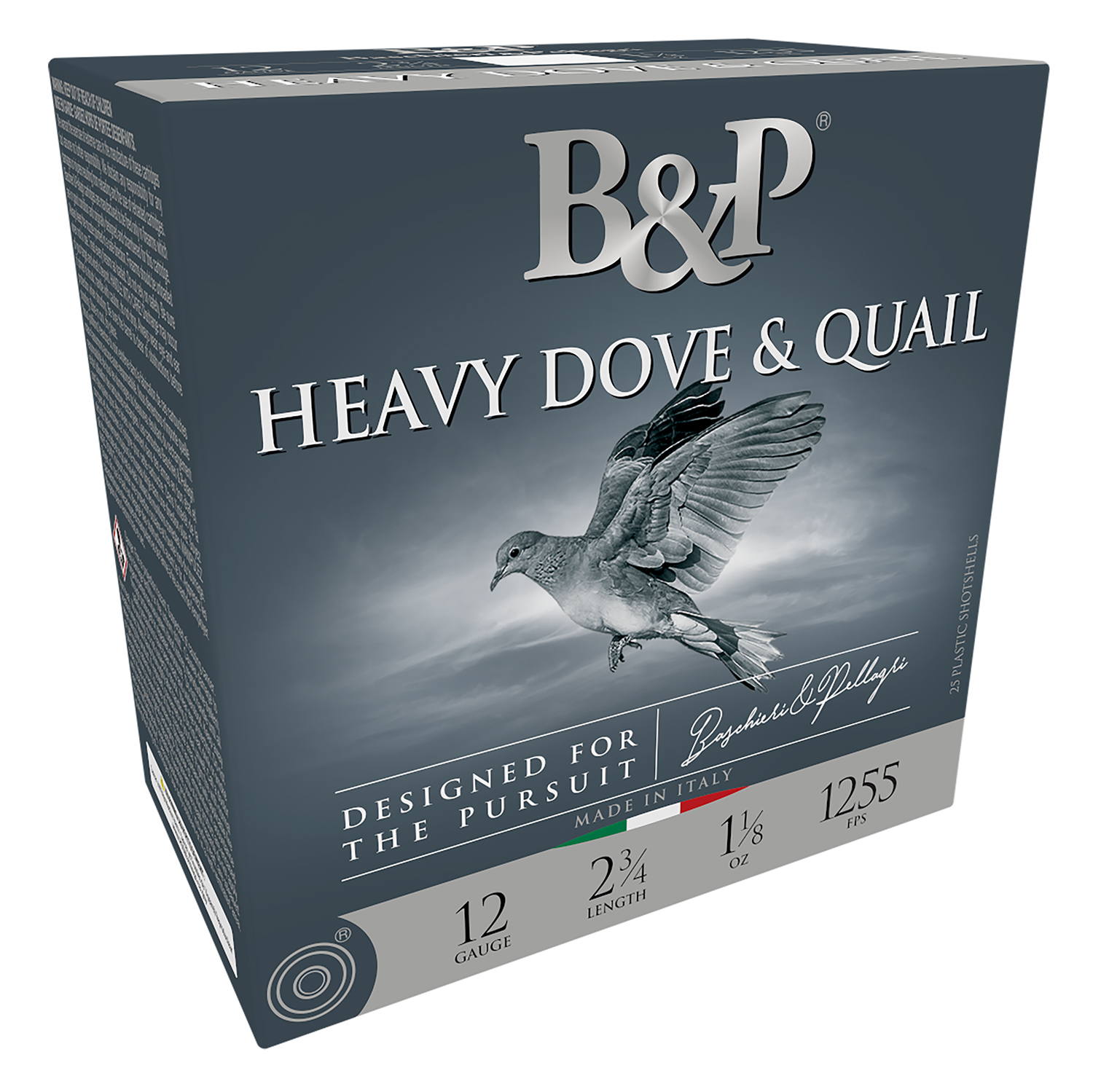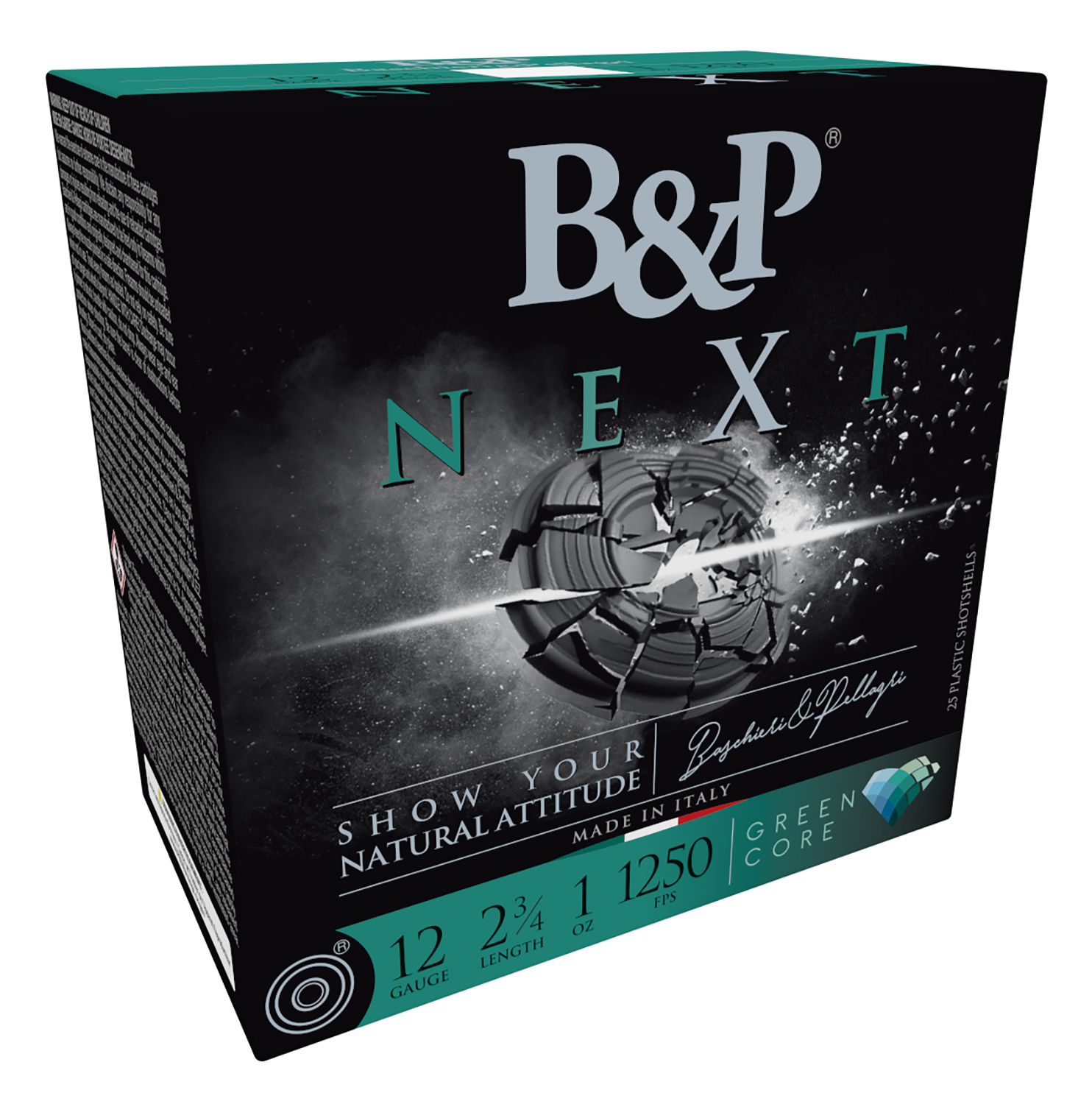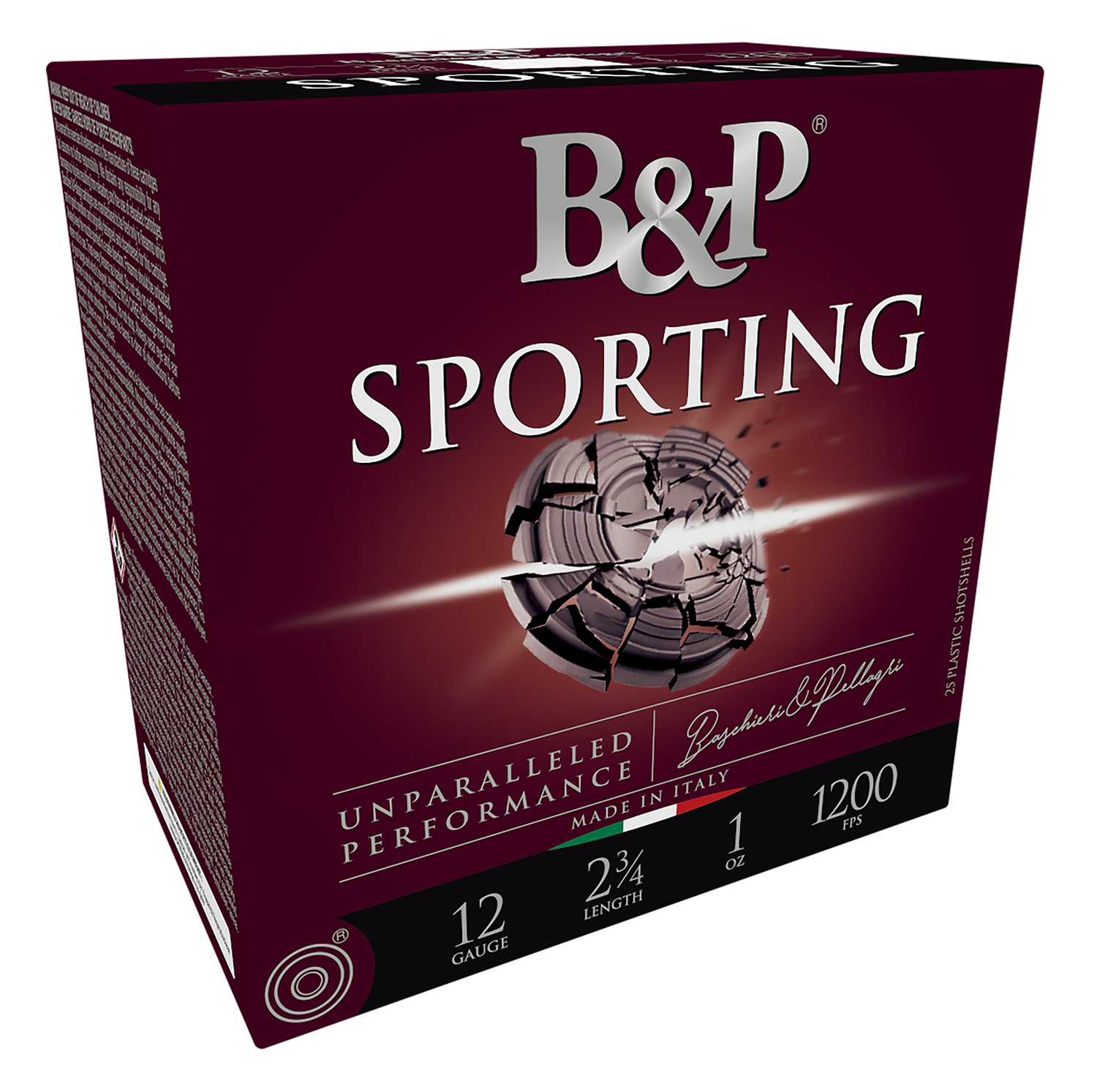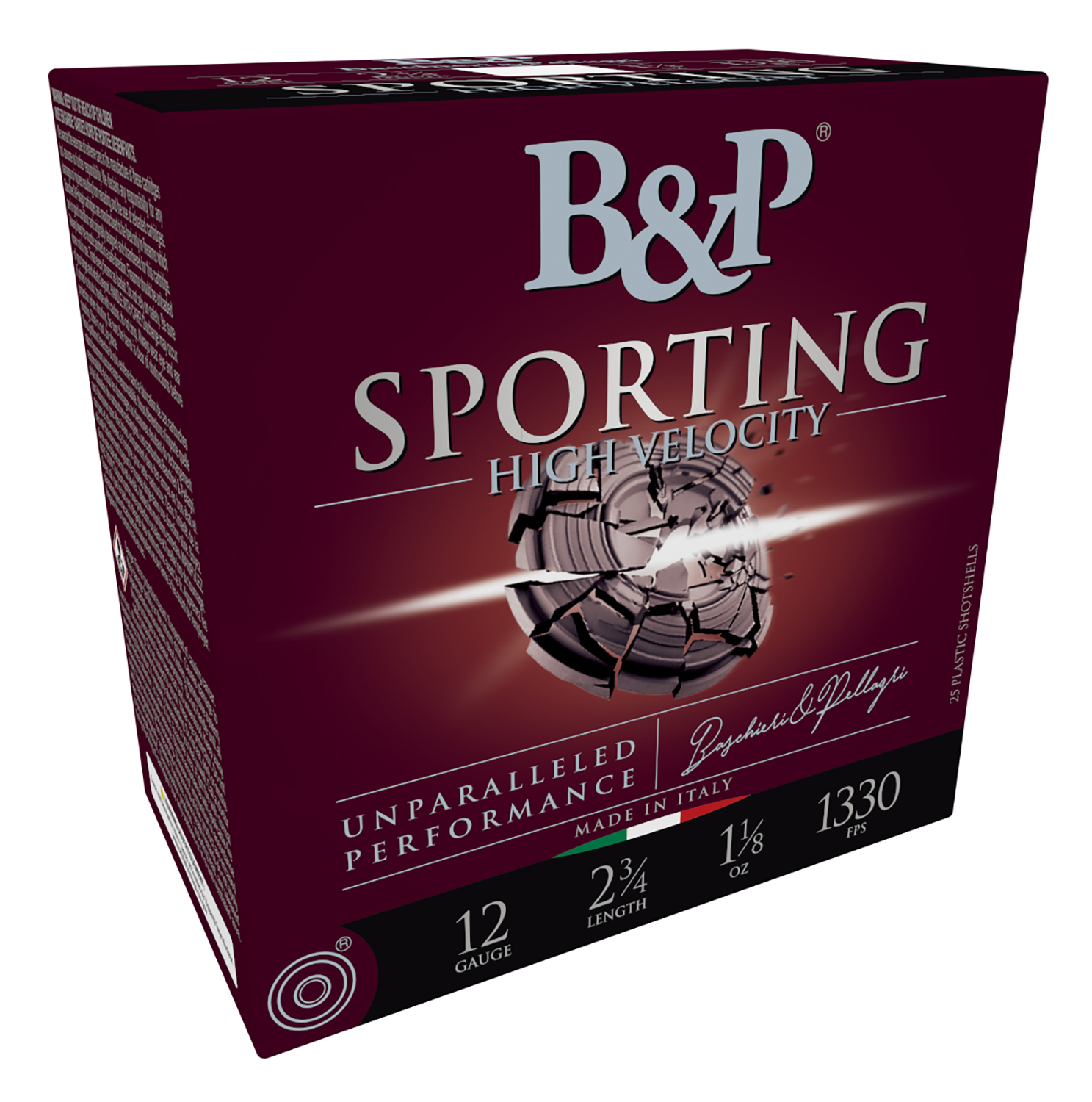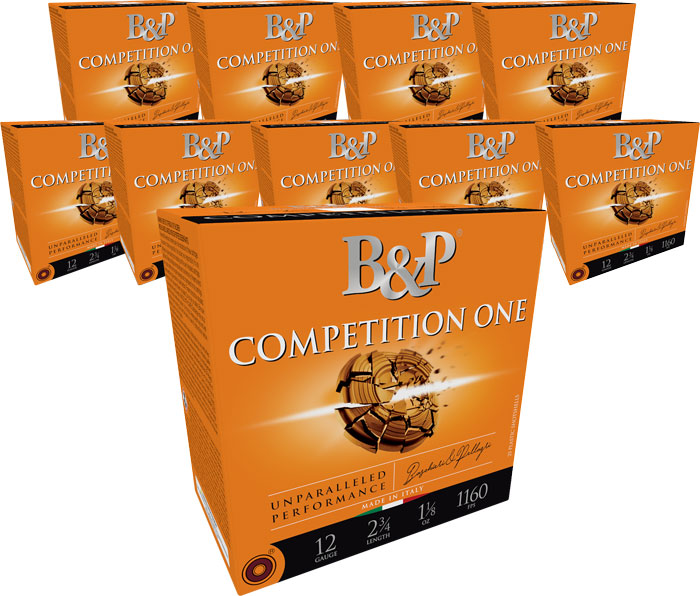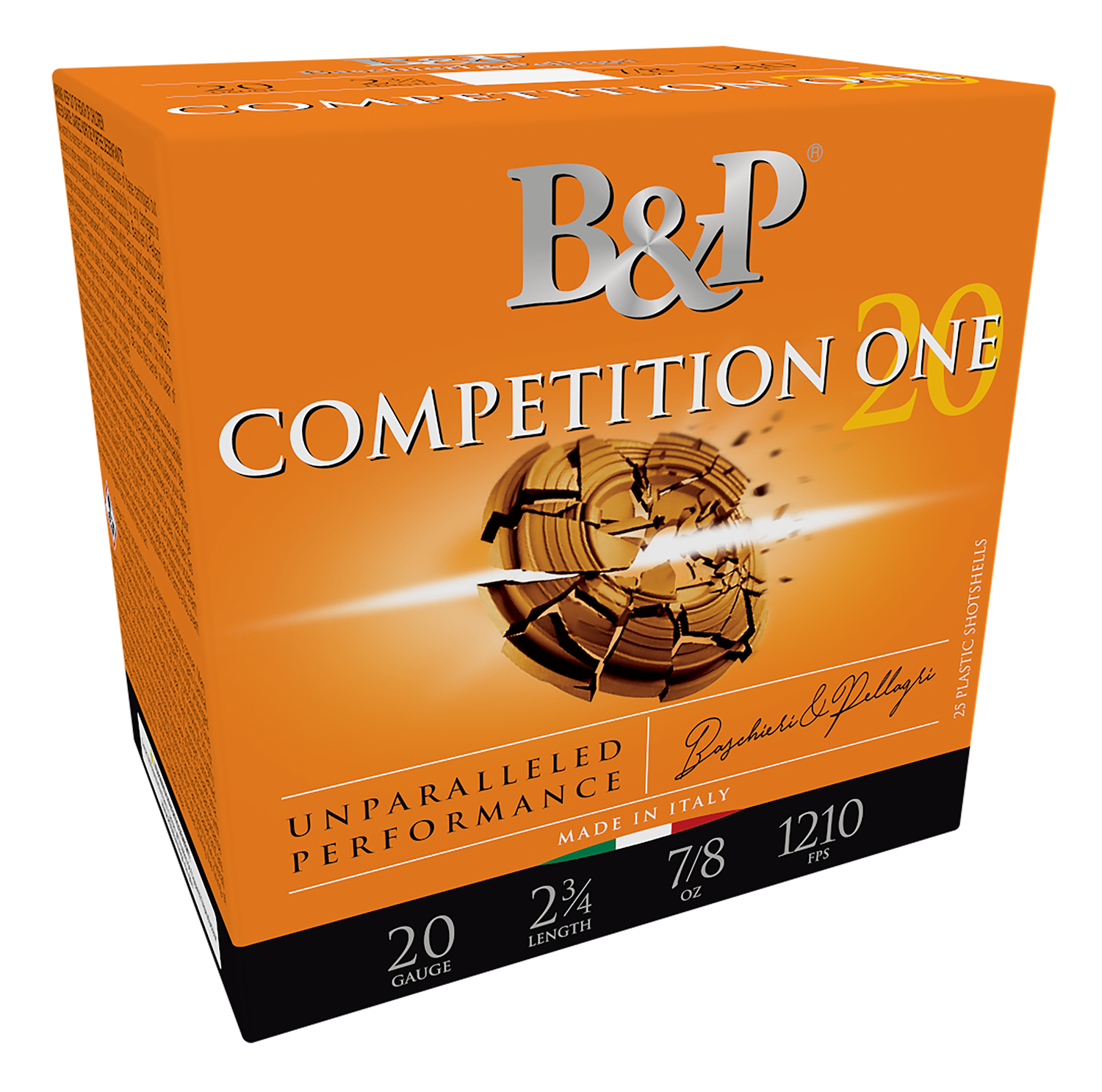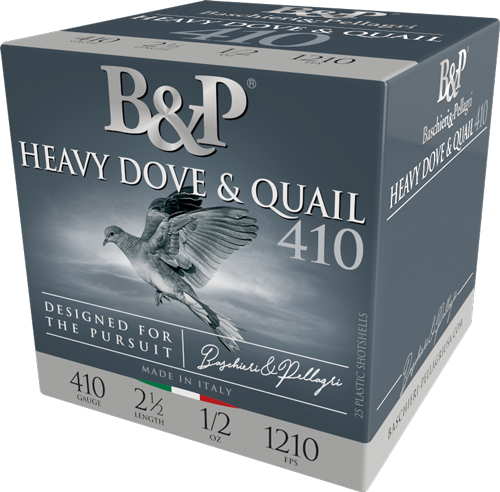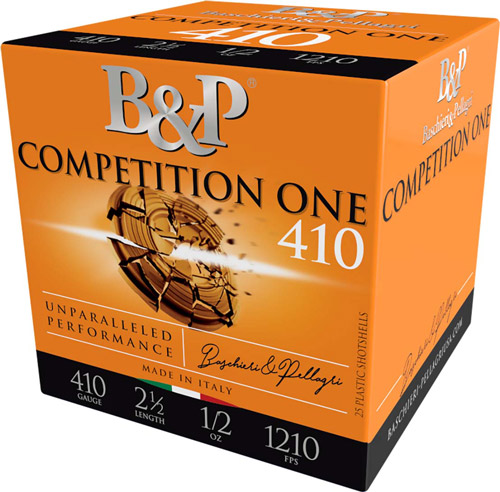
Shop our selection of shotgun shells from top brands like Barnes, Sellier & Bellot, Sterling, Estate, and Federal Ammunition. KT Back Road Arms stocks hard-hitting, dependable shotgun shells built for upland hunters, waterfowlers, clay shooters, and home defense users who count on every shell to perform. Whether you’re loading up for dove season, breaking clays at the range, or keeping your home defense shotgun ready, we carry birdshot, buckshot, and slugs in a range of gauges and loads. Stock up alongside shotguns, semi auto shotguns, and shotgun magazines to keep your kit complete. Round things out with rifle ammunition, handgun ammunition, and scopes sights and optics from our full lineup.

Check out shotgun shells online by comparing models, checking current availability, and reviewing specifications such as caliber, capacity, barrel length, and sight configuration. Choosing the right shell comes down to matching gauge, shell length, and payload to your firearm and intended application.
Use these pointers to dial in your shell selection:
Grab shotgun shells online or visit the gun shop in Mainesburg, Pennsylvania to inspect cases, talk through load selection, and pick up exactly what your barrel and choke combination is built to handle. KT Back Road Arms serves customers in the nearby cities of Mansfield, Troy, and the broader Tioga County, carrying shells suited to deer slug season, turkey spring, waterfowl flights, and clay sports common to the area.
Federal law requires shotgun shell buyers to be at least 18 years old, and Pennsylvania matches that threshold without imposing additional permits or registration on shell purchases. Anyone prohibited under federal law from possessing firearms is equally prohibited from possessing ammunition, so confirm eligibility before checkout. Pennsylvania Game Commission rules require non-toxic shot for waterfowl and restrict certain payloads and shot sizes during specific seasons, so review the current digest before heading to the field.
Transport shotgun shells in original packaging or a sealed container, kept separate from loaded firearms during travel whenever practical, and store reserves in a cool, dry location away from solvents and direct sunlight. For questions about specialty loads, bulk case pricing, or hard-to-find gauges, contact the shop and the team will help match available stock to your hunting or sporting plans.
Gauge refers to the number of lead balls equal in diameter to the bore that together weigh one pound, so a smaller gauge number indicates a larger bore. The exception is .410 bore, which is measured by actual diameter in inches rather than by gauge.
Yes, a shotgun chambered for 3 inch shells can safely fire shorter 2 3/4 inch shells of the same gauge. The reverse is not safe, as longer shells will not fully chamber and will generate dangerous pressures if forced.
Birdshot uses small pellets for hunting birds and small game, buckshot uses larger pellets for big game and defense, and slugs fire a single solid projectile for deer hunting and longer-range shots. Each requires different chokes and shot placement considerations.
Federal regulations require non-toxic shot for hunting migratory waterfowl to prevent lead poisoning in waterfowl that ingest spent pellets from wetlands. Common non-toxic options include steel, bismuth, and tungsten-based loads.
Turkey hunters typically use 4, 5, or 6 shot in 12 gauge or 20 gauge magnum loads, often with tungsten super shot (TSS) at smaller sizes for dense, hard-hitting patterns. Pattern testing with your specific choke is essential for ethical shot placement.
Choke constriction at the muzzle controls how tightly the shot pattern stays together downrange, with cylinder bore producing the widest spread and full or extra full chokes producing the tightest patterns. Match your choke to the distance and target size for best results.
Modern low-recoil buckshot loads are specifically engineered to deliver effective patterns and penetration at home defense distances while reducing felt recoil for faster follow-up shots. Many law enforcement agencies have adopted these loads for duty use.
Store shotgun shells in a cool, dry location with stable temperatures and low humidity, ideally in their original boxes or sealed ammunition cans. Properly stored modern shells can remain reliable for many years.